Over the past few months, there’s a question that keeps coming up more and more in conversations with clients, partners, and even internally: how are you using AI?
The short answer would be that we use it a lot. It’s present in a big part of our day-to-day work, and it will only become more relevant over time. But the longer answer, the one that actually matters, is different. At /nk, we don’t see AI as something we need to sell, nor as an argument to validate what we do. Our job has never been about following trends, but about generating real impact for our clients’ businesses.
In a context where new tools, promises, and narratives around AI are constantly emerging, it’s easy to fall into the trap of jumping on the wave just to avoid being left behind. Many proposals today put AI at the center of the story: AI-built websites, AI-generated experiences, fully automated processes. We’ve chosen a different path. We choose to be very clear about where our value actually lies, and to stay consistent with it.
For years, we’ve focused on helping brands build digital experiences that don’t just look good, but actually perform. That means improving concrete metrics like performance, conversion, engagement, positioning, and scalability, while also building products that properly represent the brand and make sense within their business context. That’s the kind of impact we care about. And the rise of AI doesn’t change that.
That’s why, when we talk about how we use AI, it’s just as important to be clear about how we don’t use it. We don’t treat it as a product, nor as the core of our commercial narrative. We don’t use it to justify lower-quality decisions, and we don’t use it to replace the level of craft we aim for in every project. We also don’t use it as a shortcut to lower the bar. The reality is that, while AI has advanced significantly, it still has clear limitations. It can solve simple tasks very quickly, but when it comes to complexity, judgment, and sensitivity, its contribution is still limited.
Today, we don’t see AI designing with deep strategic thinking, nor building experiences with the level of detail required for high-impact digital products. We don’t see it coding at the level of quality we expect, or handling animations with the intention and precision we aim for. And most importantly, we don’t see it fully understanding the business context behind each project, which is where the most important decisions are made. That space is still deeply human.
That said, not putting AI at the center of our narrative doesn’t mean we don’t use it. Quite the opposite. AI is already embedded across many of our internal processes. We use it to accelerate development, explore ideas faster, generate reports, optimize workflows, automate repetitive tasks, validate hypotheses, prototype solutions, improve documentation, and assist in QA. Tools like Cursor, v0, Stitch, and even more experimental agents like OpenClaw are part of our daily toolkit.
But we always use them from the same perspective: AI is an amplification tool, not the source of the value we deliver. It allows us to be more efficient, iterate faster, and free up time to focus on what truly makes a difference: thinking better, designing better, and building better.
In fact, many of our clients don’t even know exactly how we use AI, and we believe that’s perfectly fine. Because they don’t hire us for the tools we use, but for the outcomes we deliver. If AI helps us reduce timelines, improve processes, or detect issues earlier, that has a positive impact on the project. But the value is not in the technology itself, it’s in how we choose to use it.
We believe we’re entering a phase where the human factor will become even more important. When everything can be generated quickly, what truly differentiates is judgment. When everything can be automated, what matters is knowing what’s worth doing and what isn’t. And when everyone has access to the same tools, the difference lies in the ability to turn complexity into clarity.
That’s the space where /nk has always operated, and where we intend to keep operating. We don’t need to redefine ourselves to fit a market narrative or add layers of discourse just to appear relevant. Our value proposition remains the same: building digital experiences that generate real impact.
We will continue to adopt AI wherever it makes sense. We will automate more, explore more, and continuously improve our processes. But there is one thing that won’t change: we don’t sell AI. We sell impact.
And we believe that in an increasingly automated world, the real differentiator will remain what it has always been: people with judgment, working with intention, building things that truly matter.
Continue reading
Awwwards
16 years of NK
German Design Award 2021
From practice to the classroom
17 Years and Counting!
We're a Webby Honoree!
6th nomination for Studio of the Year
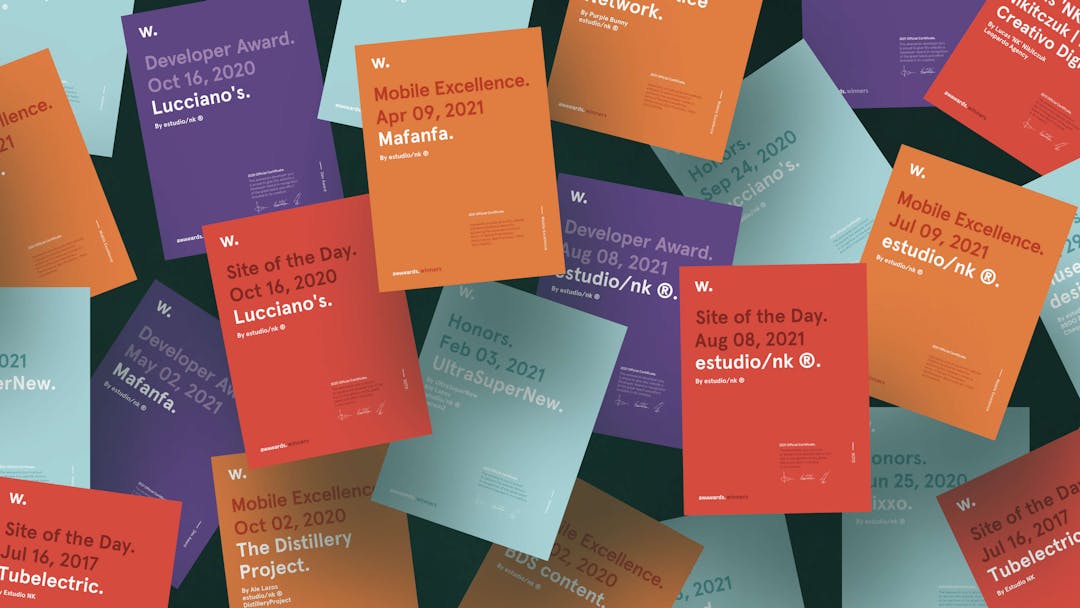
The most awarded on awwwards in LATAM
We are proud members of SoDA!

Suku: AI in audiovisual production
We’re turning 18!
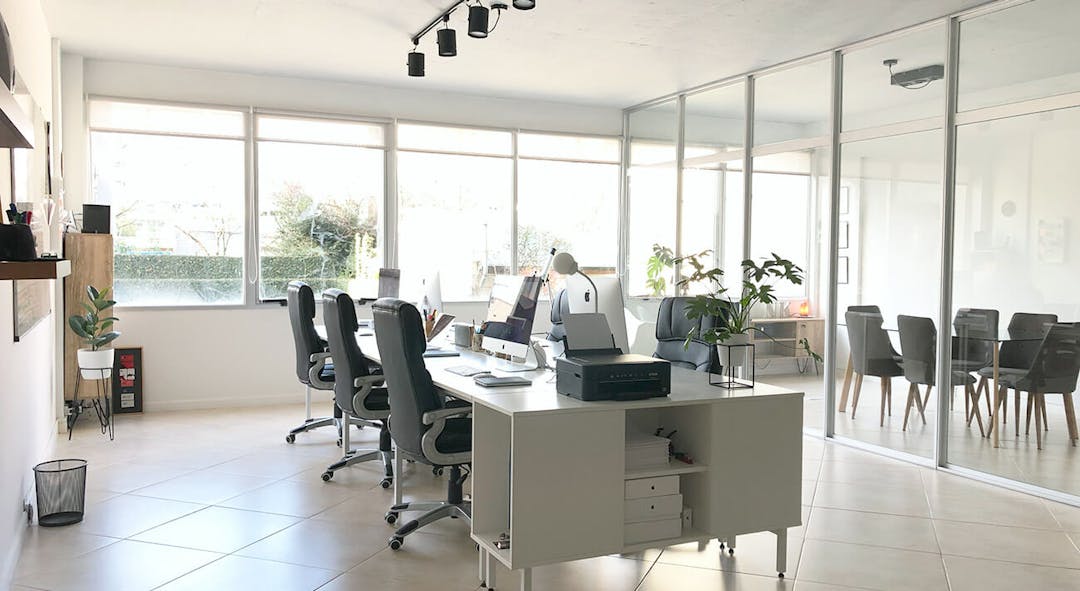
New Offices, Same Feeling
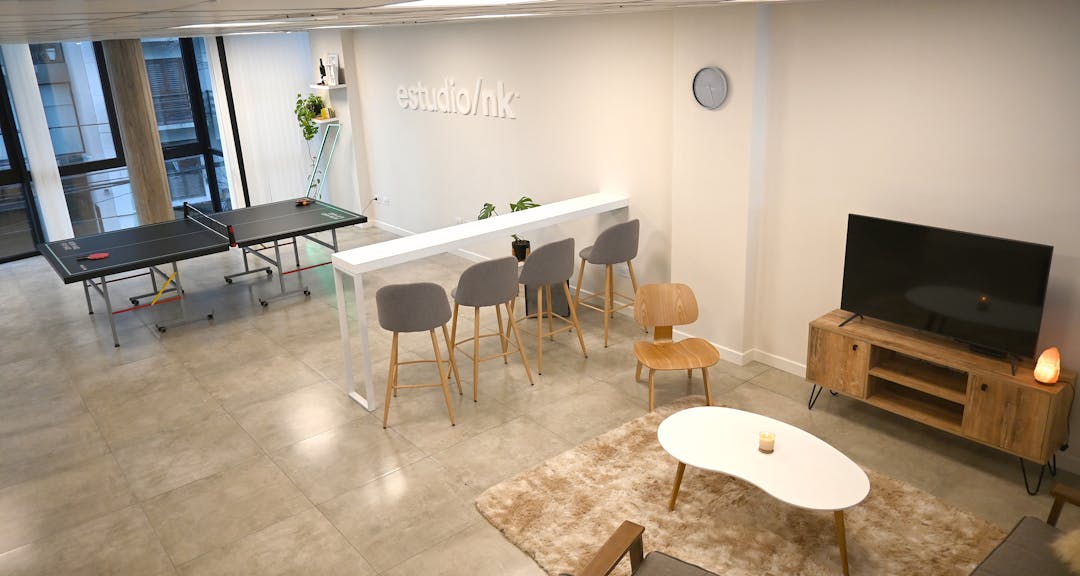
Welcome to our new offices in MDQ
$12M in seed funding
We are now Awwwards' Juries
We received 5 stars in Clutch
Sixteen candles
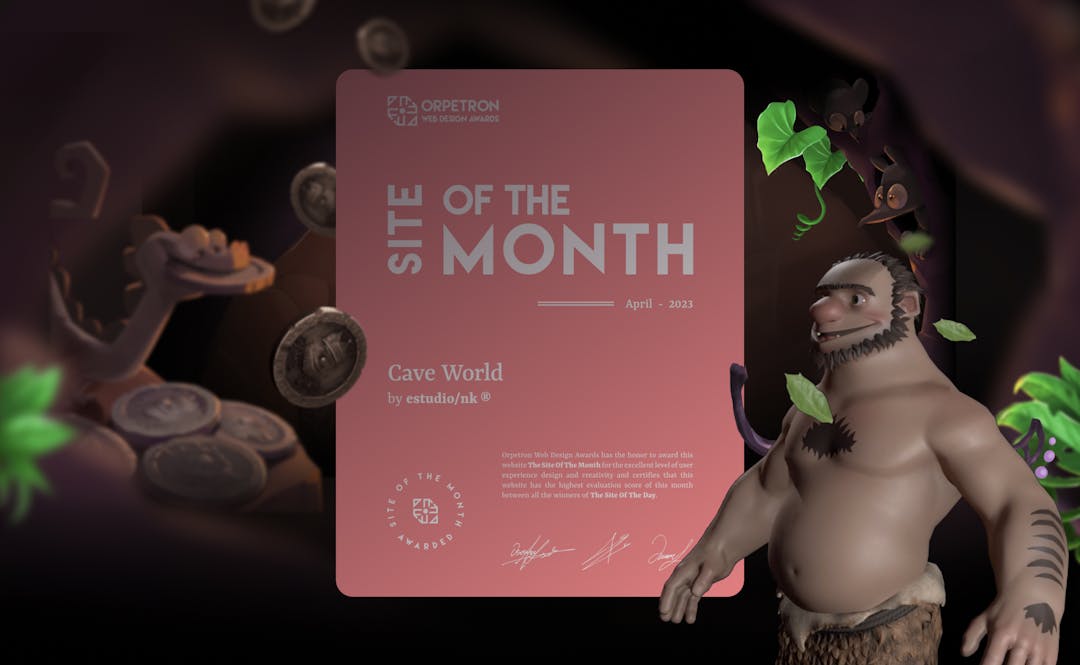
Site of the Month award by Orpetron
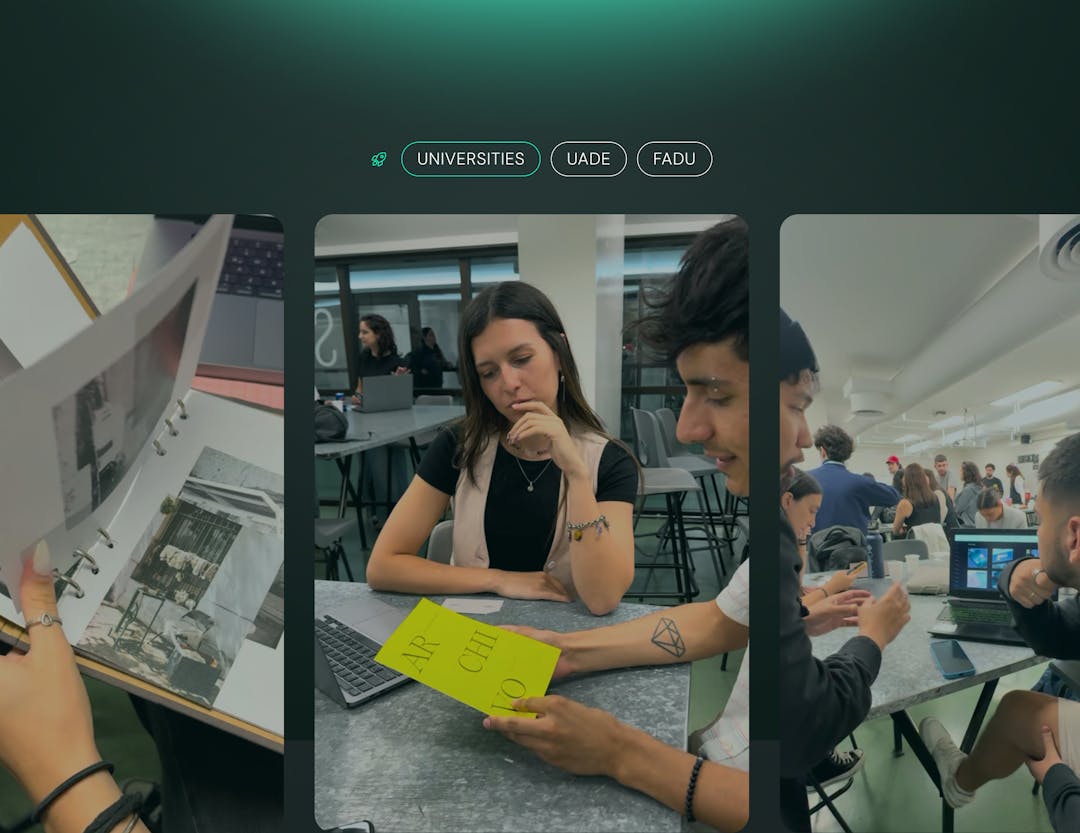
Universities, design, and shared experience
The Magic Bottle
5th nomination for Studio of the Year
Prima-T’s evolution
Awwwards Conf x estudio/nk®
How to move from frustration to selling an idea
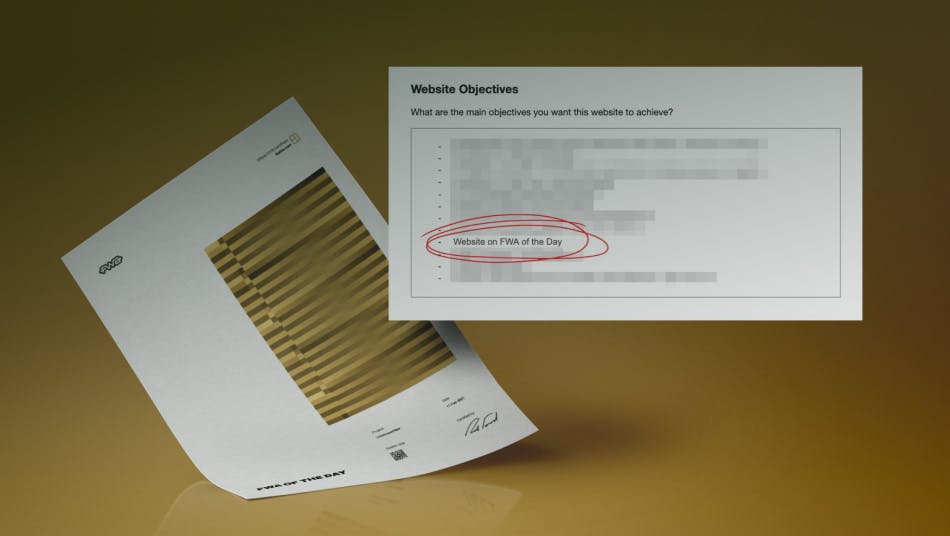
We won our first FOTD in FWA
Introducing the new nk
trip/nk: Together as one!
SukuPay + Zigi: A Milestone for Finance in Latin America
Trends 2025
Redesigning is moving forward
2024 Wrapped!
Congratulations Veritran!
We are over the moon with this news!
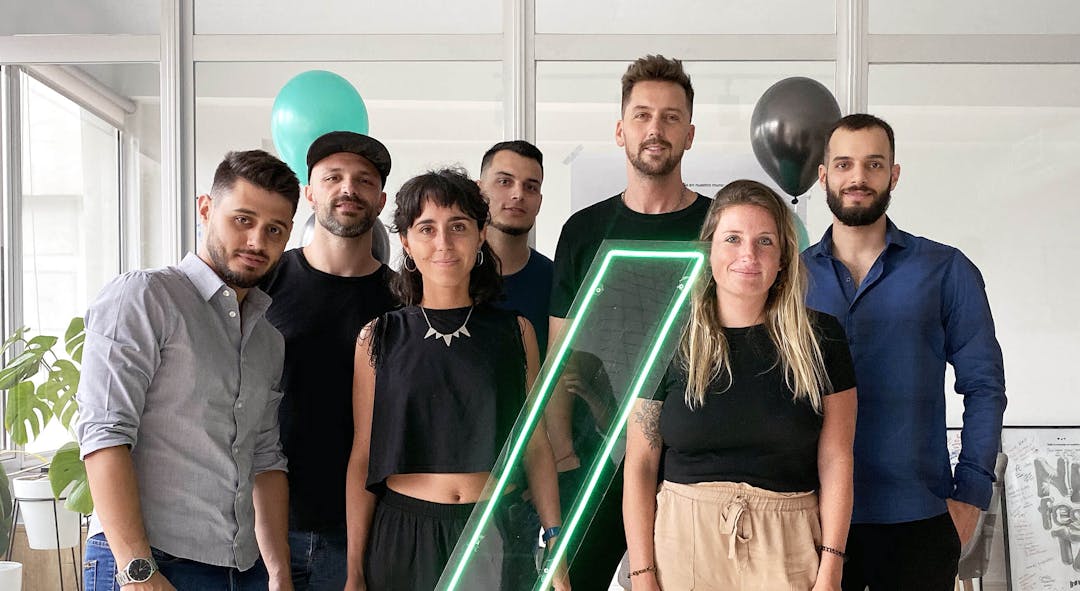
19 things of this 2019
Studio of the Year 2017
FePI, The Independent Advertising Festival
Studio of the year 2016
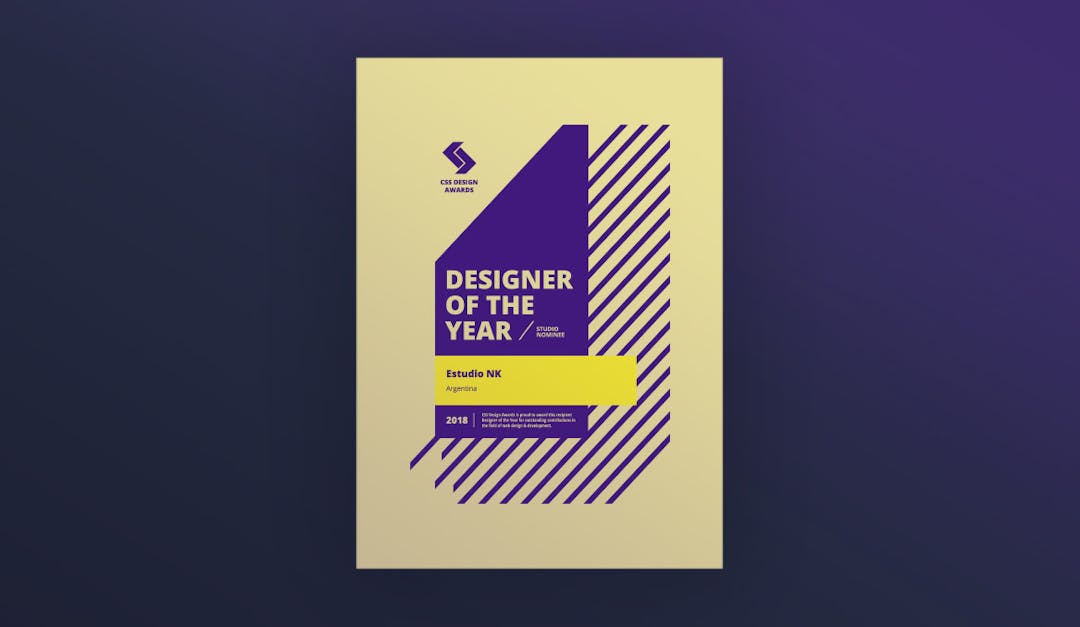
Studio of the Year 2018
7th nomination for Studio of the Year
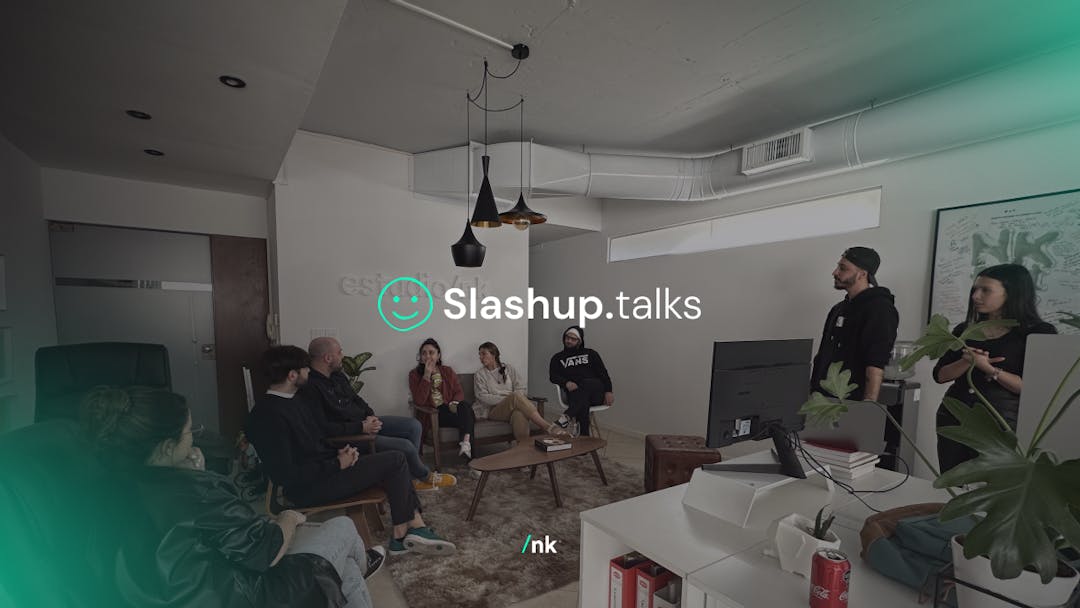
Slashup/talks – A Culture Built by Collaboration
Three Paths, One Recognition: the Sello de Buen Diseño
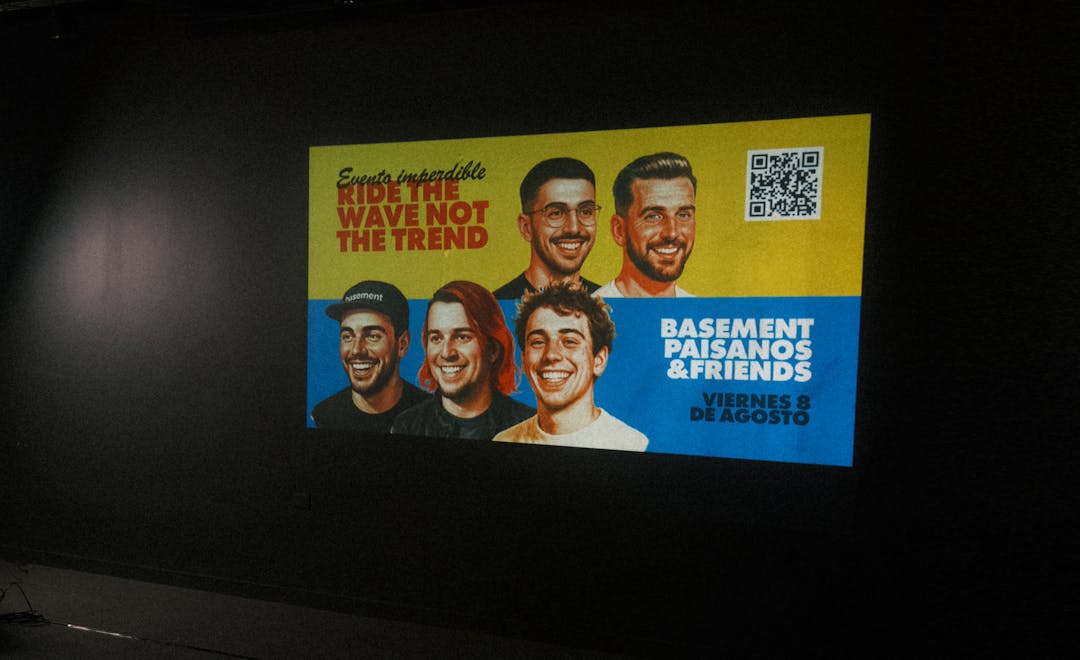
Ride the Wave, Not the Trend: when community organizes, things happen 🌊
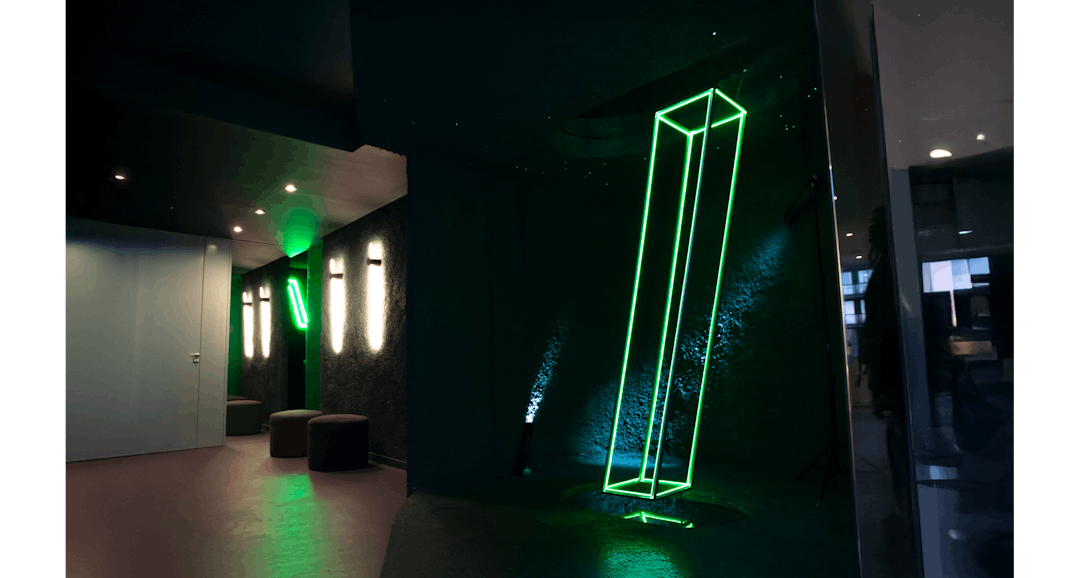
An Office Born on Our Website
2024 Awwwards Conf - Valencia
We’re Now an Official Prismic Partner!
Seal to Good Design
Awwwesome News
How to make design a business
La Constitución
10 years doing stuff
Agency of the Year 2016
Happiness and clients
Studio of the Year 2017