When a website stops being a page and becomes a platform
How at /nk.studio we design modular, scalable and self-managed websites for brands that need to grow without starting from scratch every time.
There comes a point when a website stops keeping up with the speed of a company.
Every new product, campaign, market, content, or narrative requires development.
Every change depends on someone else.
Each evolution becomes slower than the business needs.
And what should be a growth tool ends up functioning as a limitation.
At /nk.studio we work with fast-moving brands. Companies that launch new products, expand into new markets, reorganize their communication, add content, update their value propositions, and need their digital presence to evolve at the same pace.
That's why we don't think of websites as static pieces.
We envision them as digital platforms: modular, scalable, and self-managed systems that combine strategy, design, technology, performance, and real autonomy for the teams that operate them every day.
Because a good site shouldn't end on launch day.
You should be prepared to continue growing.
From designing pages to designing systems
For a long time, making a website meant designing a series of relatively closed pages: home, about, services, contact, some cases, some landing pages.
But today's brands need much more than that.
They need to be able to create new pages without starting from scratch.
They need to publish content without always depending on development.
They need to adapt messages for different audiences.
They need to launch campaigns, add products, activate markets, update forms, reorganize information, and evolve their narrative without breaking the experience.
That's where a site stops being a collection of pages and becomes a system.
A modular system allows you to build from reusable, flexible, and self-contained components. Each module can be combined with others, adapted to different contexts, and used to create new pages without losing visual consistency, user experience, or performance.
Modularity does not mean making sites more generic.
It means designing a foundation flexible enough so that each new page can feel its own, without having to start from scratch every time.
What does it really mean for a site to be self-managed?
For many, a CMS is simply a place to change texts and images.
For us, a self-managed site is something much more powerful.
It is a platform where marketing, communications or content teams can create pages, combine modules, manage forms, update sections, publish content, reorganize narratives and adapt messages without depending on development for each move.
That completely changes the relationship between a brand and its website.
Because when a team has real autonomy, it can move faster.
You can try.
You can iterate.
You can respond to the business.
It can support campaigns, launches, and business needs without each change becoming a new technical project.
A well-designed CMS is not just an editing tool.
It is a tool for operation, growth, and speed.
Pomelo: a platform to grow at the pace of the business
Pomelo is a leading financial technology company for the issuance, processing and management of card payments.
When we started working together, the challenge wasn't simply to redesign their site.
The problem was deeper: their website wasn't prepared to keep up with the company's growth rate.
In just a few years, Pomelo had had to redesign its website more than once. Not for lack of vision, but because the previous platform didn't give them the flexibility they needed to evolve their business, add new pages, adapt content, and keep up with the speed of their marketing team.
The need was clear: build a digital base capable of growing with the company.
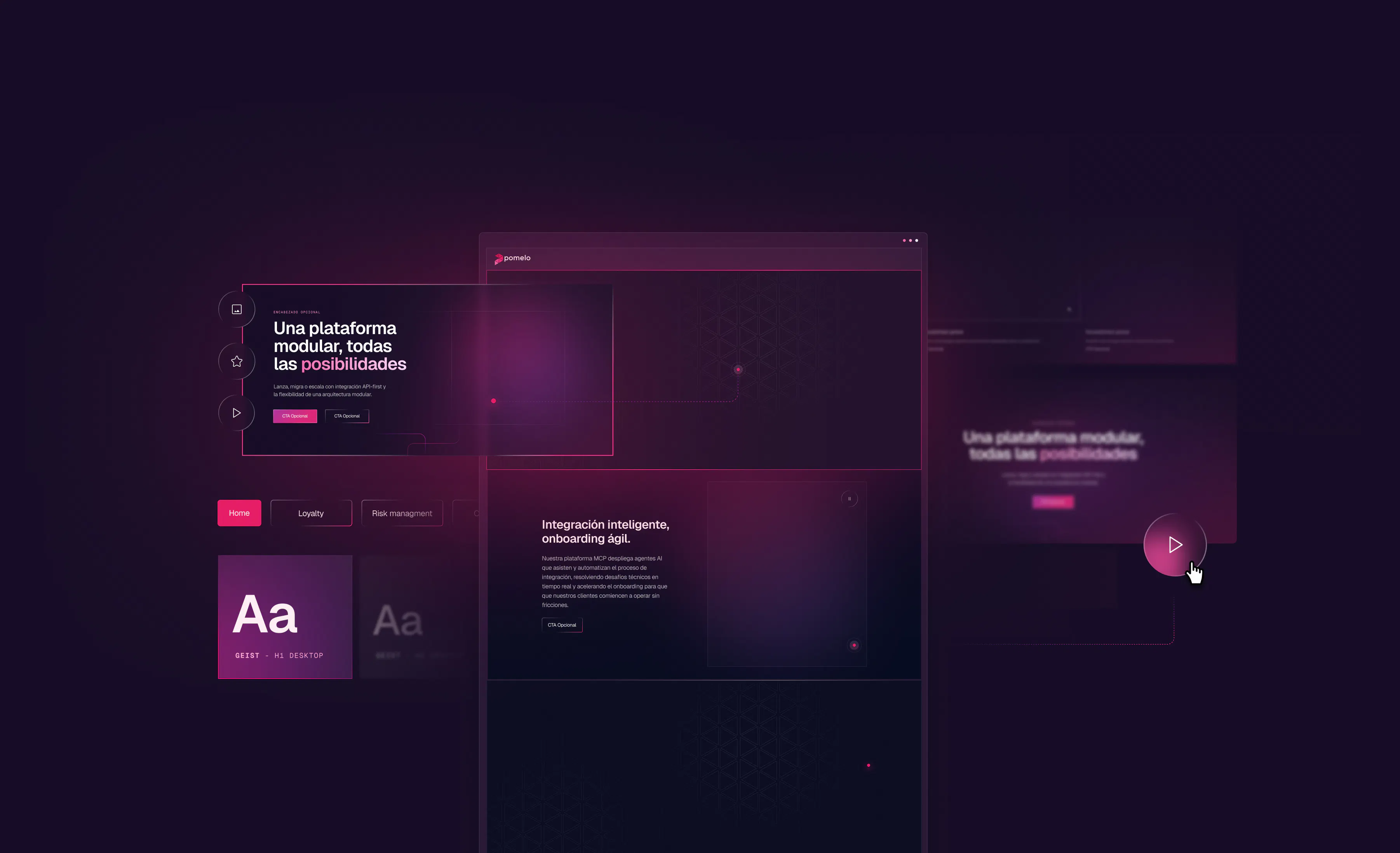
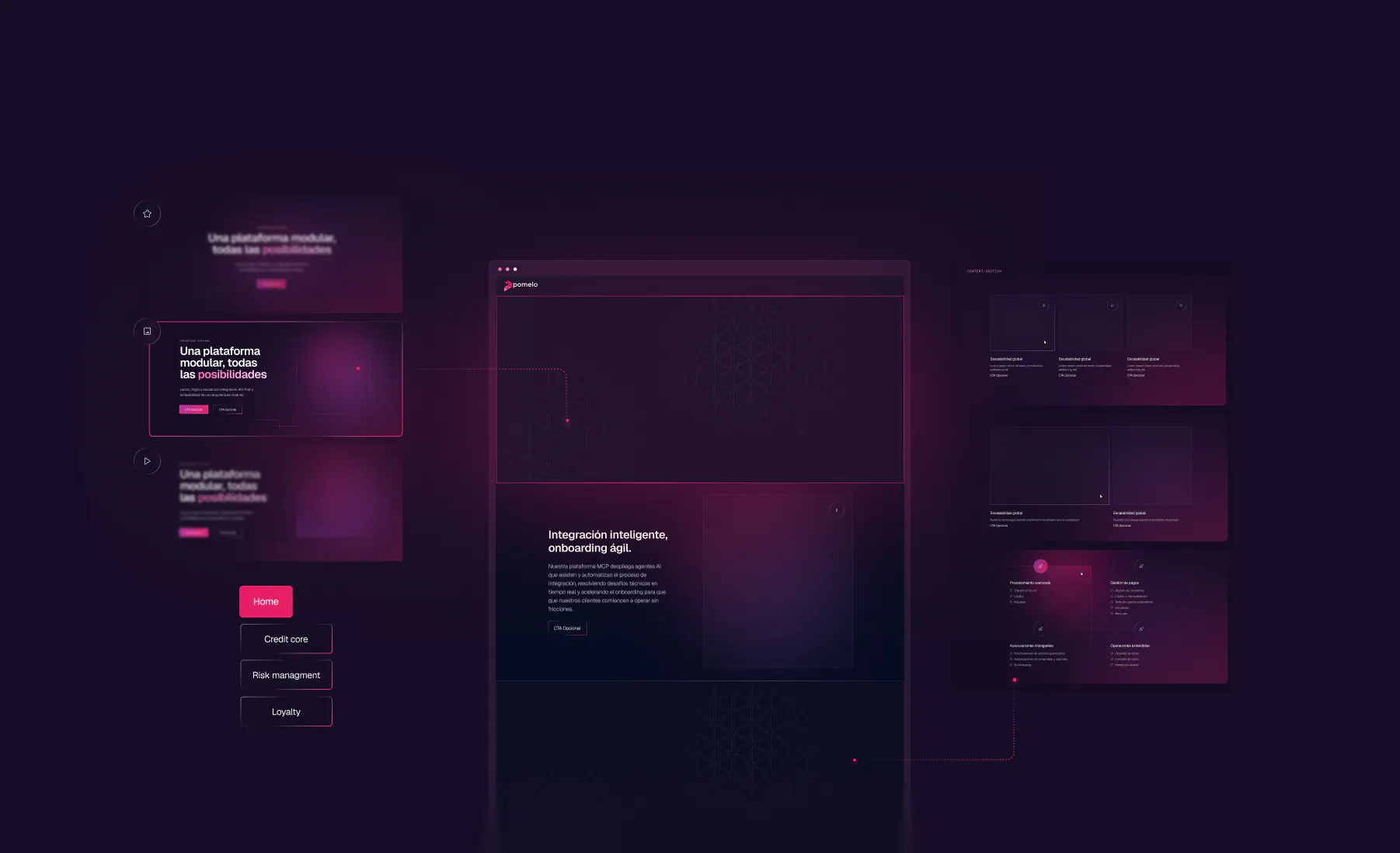
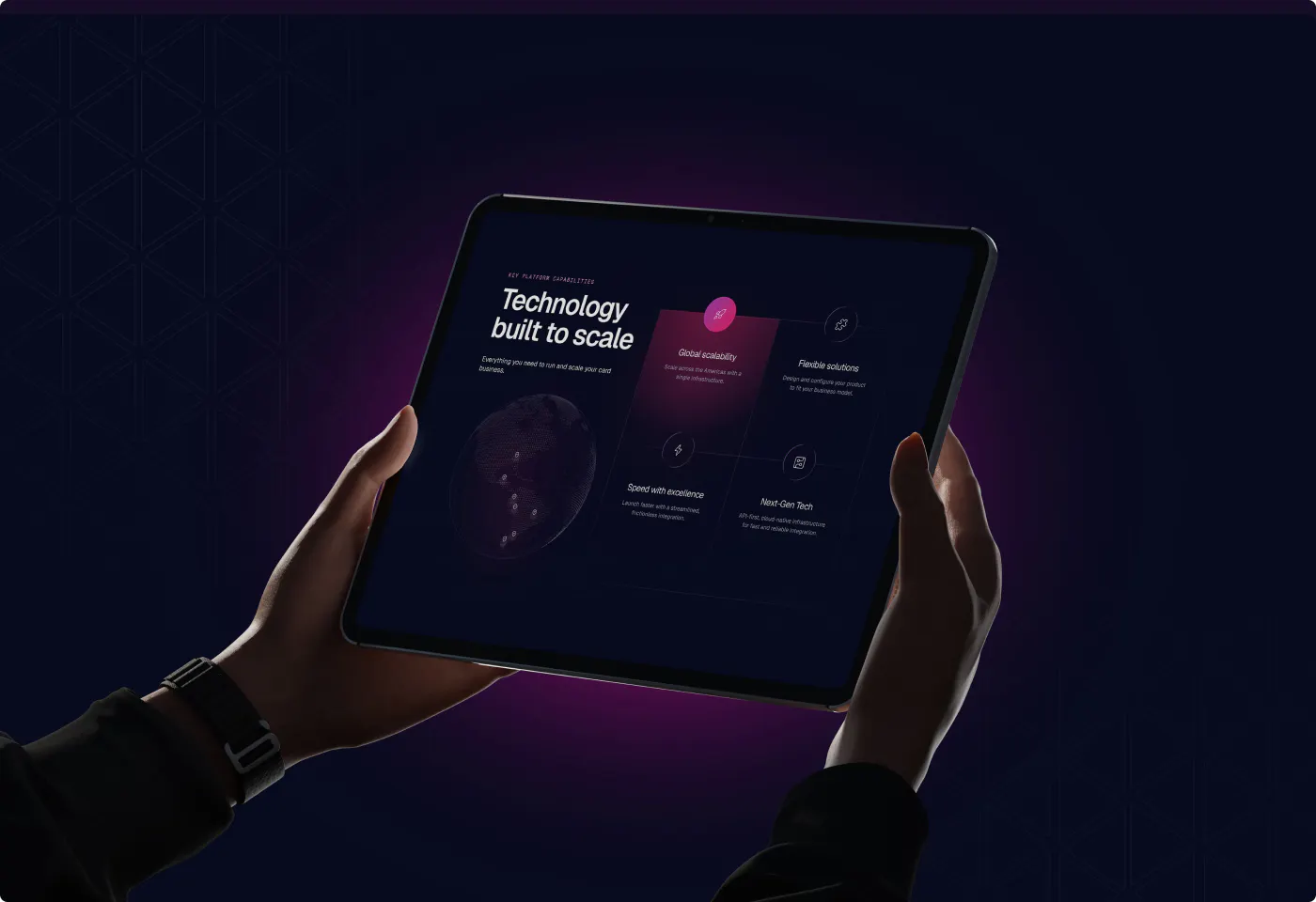
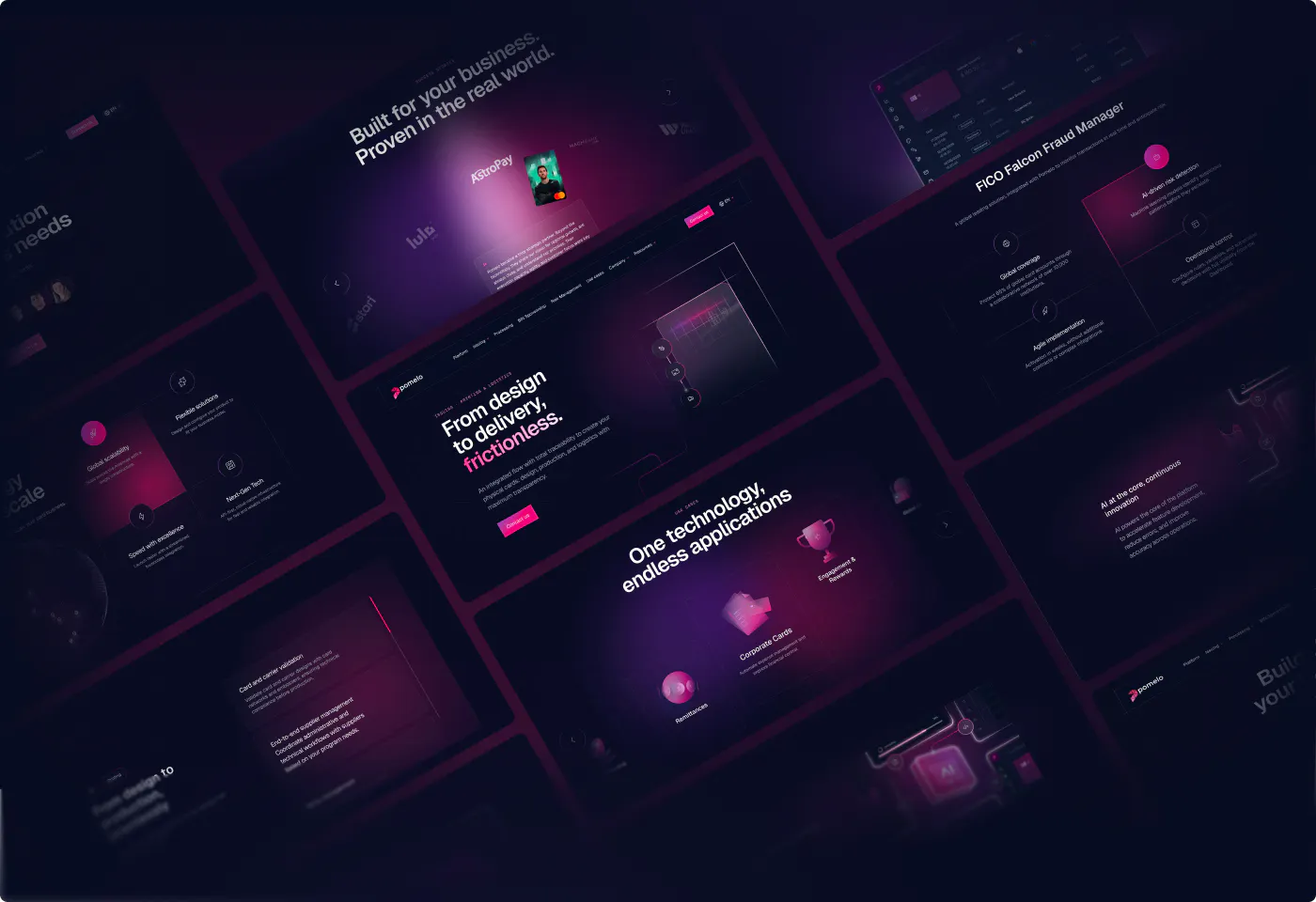
At /nk we designed and developed a 100% modular and self-managed website, built on a headless CMS, with an architecture designed so that the team could operate autonomously without sacrificing visual quality, performance or brand experience.
The result was a platform where each page can be built from flexible modules, where content can be managed from the CMS, where forms can be managed without relying on development, and where the marketing team can create new digital experiences with much more freedom.
But the challenge wasn't just technical.
It was also about taking the brand to a new digital level. Creating a more robust, clearer, more contemporary experience, more aligned with the ambition of a growing fintech company.
Because for us, autonomy should not be synonymous with flat places.
And scalability should not be synonymous with generic experiences.
At Pomelo, technology did not replace the brand experience.
He made it possible on a large scale.
Headless CMS: technology at the service of autonomy
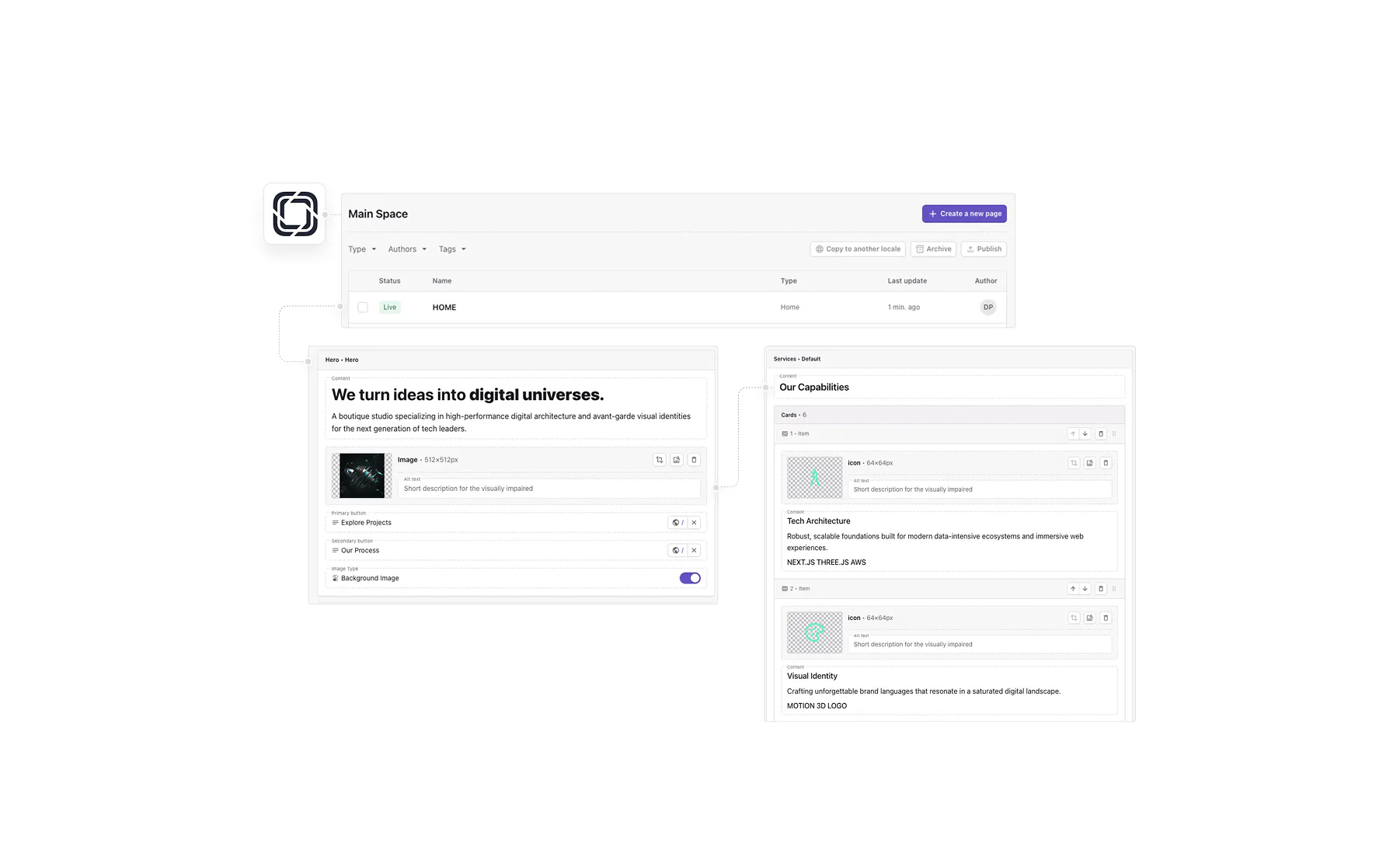
We work with headless CMS because they allow us to separate content management from the visual and technological experience of the site.
This gives us enormous flexibility to design custom interfaces, build high-level experiences, and at the same time, give the client a clear and robust tool to manage their content.
In many of our projects we use Prismic, a CMS we partner with and which has become one of our go-to tools due to its flexibility, modular approach and good integration with modern frameworks.
But we don't believe in a single stack for all projects.
We also work with technologies such as Contentful, Sanity, Storyblok, Strapi, Hygraph, Headless WordPress, and other headless or hybrid CMS platforms, depending on the client's needs, their team, their operations, and their level of scale. The same applies to frontend development and infrastructure.
Technology matters.
But how you think matters more.
A poorly designed headless CMS can become as rigid as any other system.
The difference lies in the architecture, the management experience, the content structure, the modular logic, and how each technical decision responds to a real business need.
SEO, GEO and performance from an architectural perspective
A scalable platform also needs to be findable.
That's why technical SEO, performance, and content structure aren't added at the end of the project. They're designed from the architecture stage.
In this type of platform we work with editable metadata, manageable URLs, redirects, sitemaps, semantic structure, performance, Open Graph, efficient content loading, responsive optimization and search engine best practices.
We are also increasingly thinking about GEO, or Generative Engine Optimization: how to structure information so that it can be understood not only by traditional search engines, but also by new response systems powered by artificial intelligence.
In projects with large volumes of content, this becomes especially important.
Migrating a blog, organizing a resource library, reorganizing existing pages, or changing your technology stack cannot mean losing ranking, history, or visibility.
That's why a well-executed migration is not just about moving content from one place to another.
It's about preserving value, organizing structure, and preparing the platform for better growth
Beyond Pomelo: a way of thinking about digital platforms
Pomelo is a great example of this approach, but it's not the only one.
In Veritran we work on a large-scale digital platform, with an ecosystem of institutional content, solutions, resources, and the need for constant updates by its internal teams.
In projects for tourist destinations, we apply this same logic to platforms with large volumes of content, multiple experiences, dynamic tours, editorial sections and a constant need for updating.
In a global consumer goods company, we work on the technological evolution of a high-volume digital ecosystem, focusing on scalability, order, performance, and autonomy.
In Vista Energy the challenge was to build a digital experience capable of combining storytelling, corporate content, industry, innovation, and a contemporary perspective on the energy sector.
At Bunker DB, we work on a platform where information, clarity, and scalability are key to transforming complexity into a simple and robust digital experience.
Distinguished clients.
Different industries.
Different levels of scale.
The same logic applies: building digital platforms that don't end with the launch.
Our approach
Each project has its own particularities, but there is one idea that is repeated in all of them: before designing screens, we need to understand how that platform will live after it is published.
Which team will manage it?
What type of content will you need to create?
How often will it evolve?
What levels of autonomy do you need?
Which parts of the business need to be able to operate on it.
What integrations do you need?
What content needs to be migrated.
What things cannot be broken.
How prepared does she need to be to grow?
From there, we designed the architecture, the visual system, the modular logic, the administration experience, and the frontend development.
It's not just about making something look good.
The goal is to build a platform that works well, loads quickly, is secure, is clear for the user, is flexible for the customer, and maintains the quality of the experience as it grows.
That's why our work combines strategy, UX, UI design, development, CMS, QA, documentation, performance, and SEO from a single perspective.
A vision where technology is not separate from the brand.
And where autonomy is not separate from experience.
Websites ready for what's coming
Brands change.
Businesses evolve.
The messages are adjusted.
The teams are growing.
The products are expanding.
Audiences expect more.
A website that cannot adapt to that becomes outdated too quickly.
That's why we believe that the real value lies not just in launching a great site, but in building a platform capable of remaining useful, relevant, and powerful long after launch.
A scalable site is not just more efficient.
It's more strategic.
It gives the team speed.
It gives autonomy to marketing.
It gives consistency to the brand.
It gives order to the content.
It gives the user better performance.
And it gives the business a digital foundation ready to grow.
At /nk.studio we design and develop modular, scalable and self-managed digital platforms for brands that need to move fast without losing quality, craftsmanship or purpose.
Because when a website is well designed, it doesn't limit what a brand can do.
It enables it.
Does your website keep up with the speed of your business?
At /nk.studio we design and develop scalable, modular and self-managed digital platforms for brands that need to grow without starting from scratch every time.
Continue reading

The Last Tango

Our client’s customer experiences the brand
Everything that has to happen for something to feel simple
A website in a week and a half…
Before taking off, you need to know where you’re going.
Pomelo and the website that needed to grow at the pace of the business
Reality no longer works for us
The magical process of giving shape to an idea
The best prompt is still experience
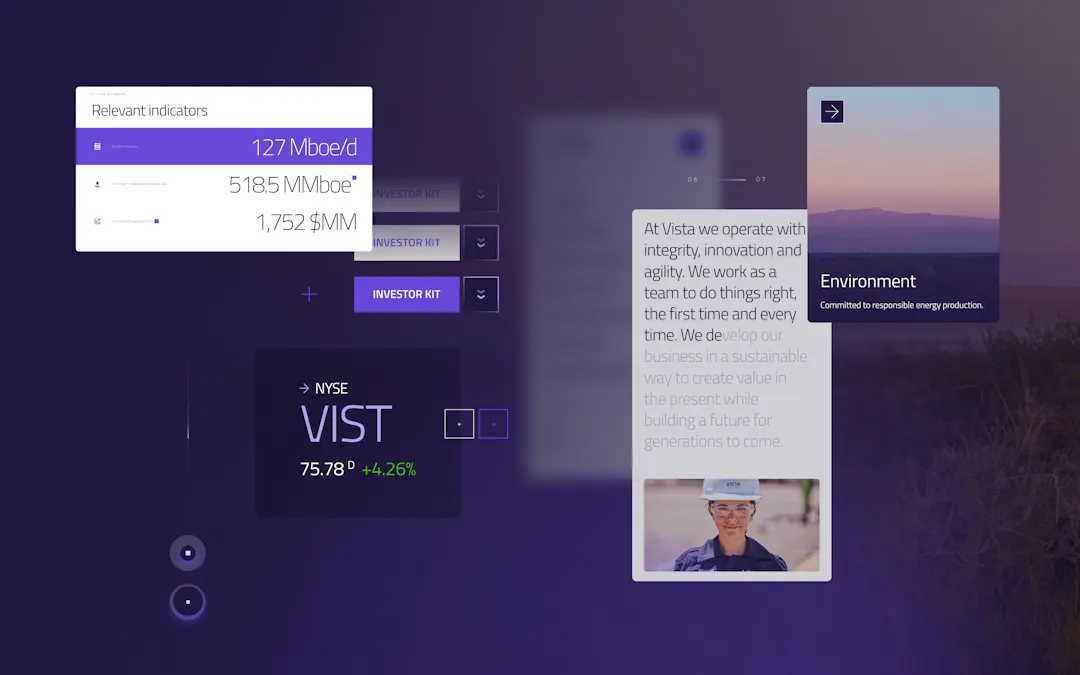
Vista Energy: Living Up to a Promise
How we use (and don’t use) AI at /nk
Three Paths, One Recognition: the Sello de Buen Diseño
An Office Born on Our Website
Ride the Wave, Not the Trend: when community organizes, things happen 🌊
Redesigning is moving forward
Universities, design, and shared experience
How to move from frustration to selling an idea
How to make design a business
From practice to the classroom
SukuPay + Zigi: A Milestone for Finance in Latin America
Trends 2025
Congratulations Veritran!
We’re Now an Official Prismic Partner!
trip/nk: Together as one!
2024 Awwwards Conf - Valencia
Slashup/talks – A Culture Built by Collaboration
17 Years and Counting!
2024 Wrapped!
7th nomination for Studio of the Year
6th nomination for Studio of the Year
$12M in seed funding
We’re turning 18!

Suku: AI in audiovisual production
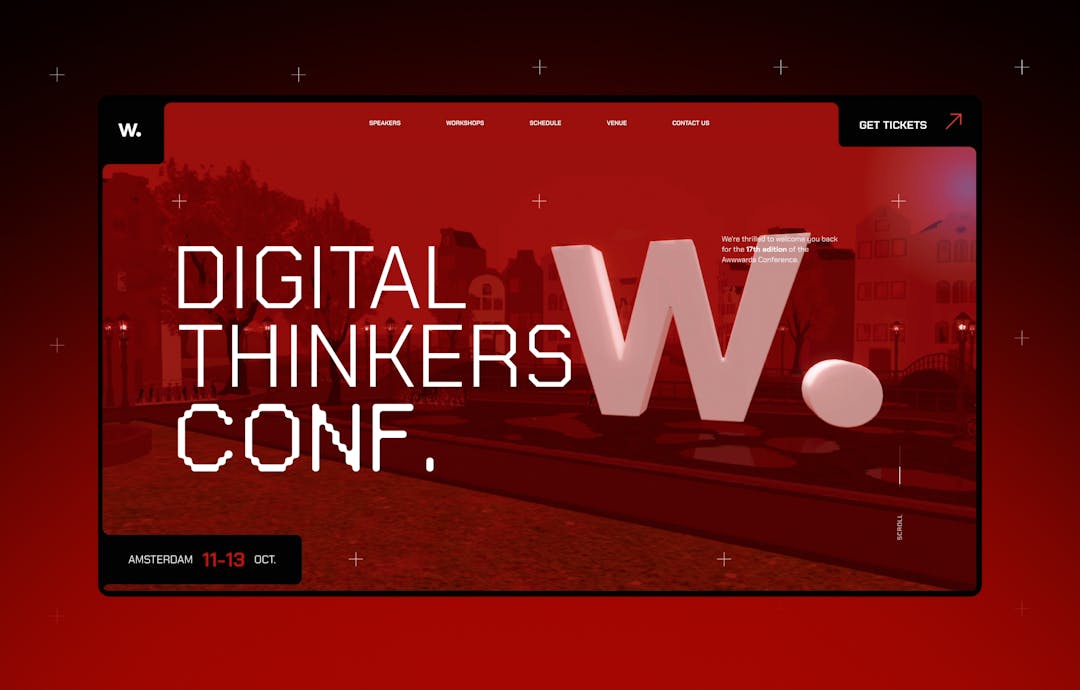
Awwwards Conf x estudio/nk®
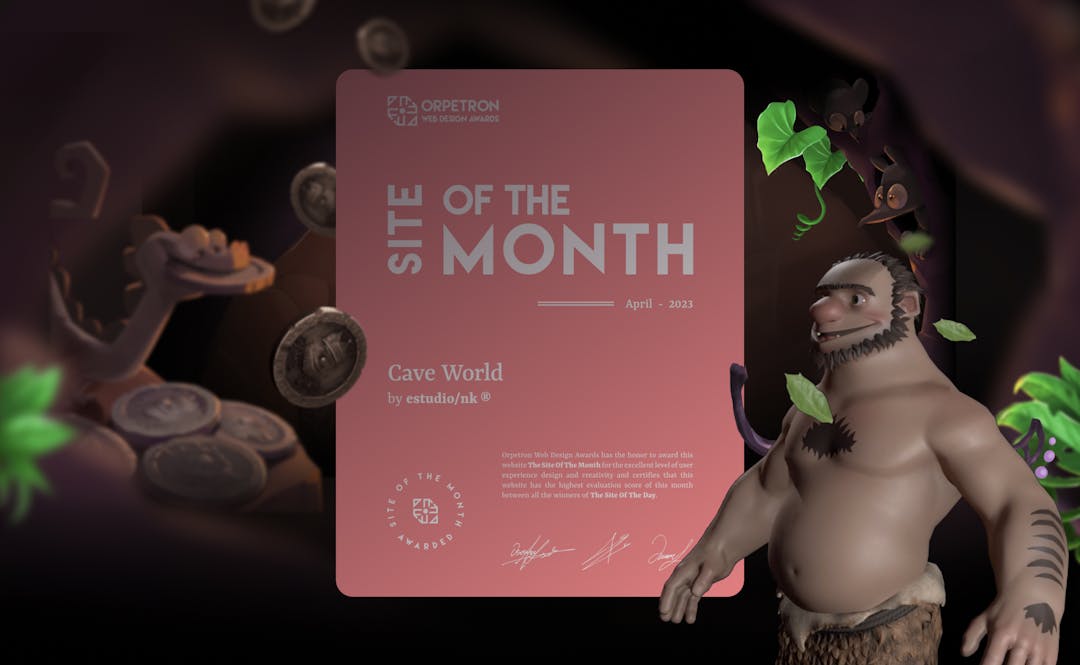
Site of the Month award by Orpetron
5th nomination for Studio of the Year
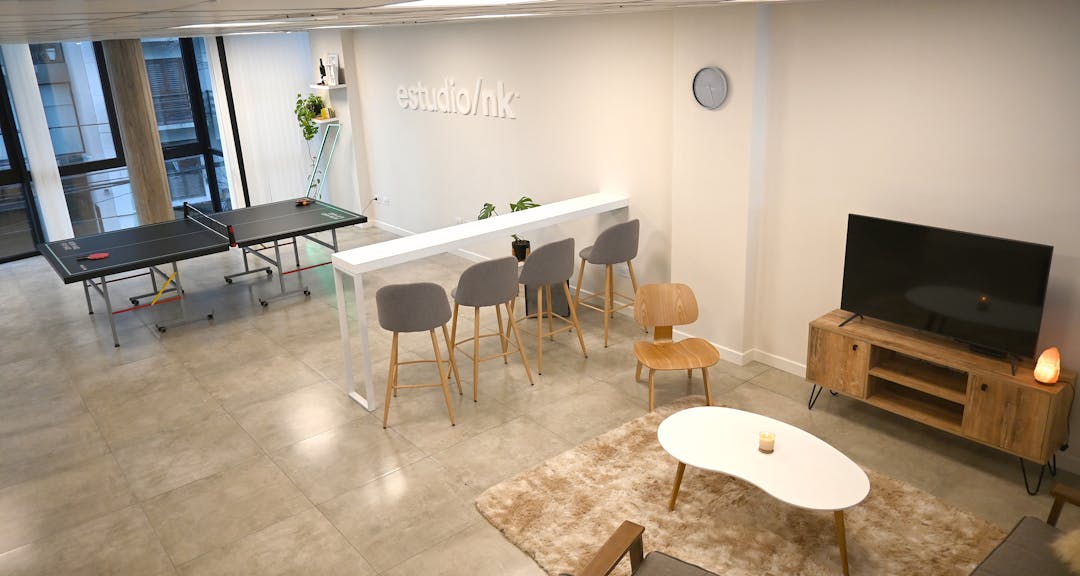
Welcome to our new offices in MDQ
Prima-T’s evolution
We are proud members of SoDA!
The Magic Bottle
Sixteen candles
We're a Webby Honoree!
We are over the moon with this news!
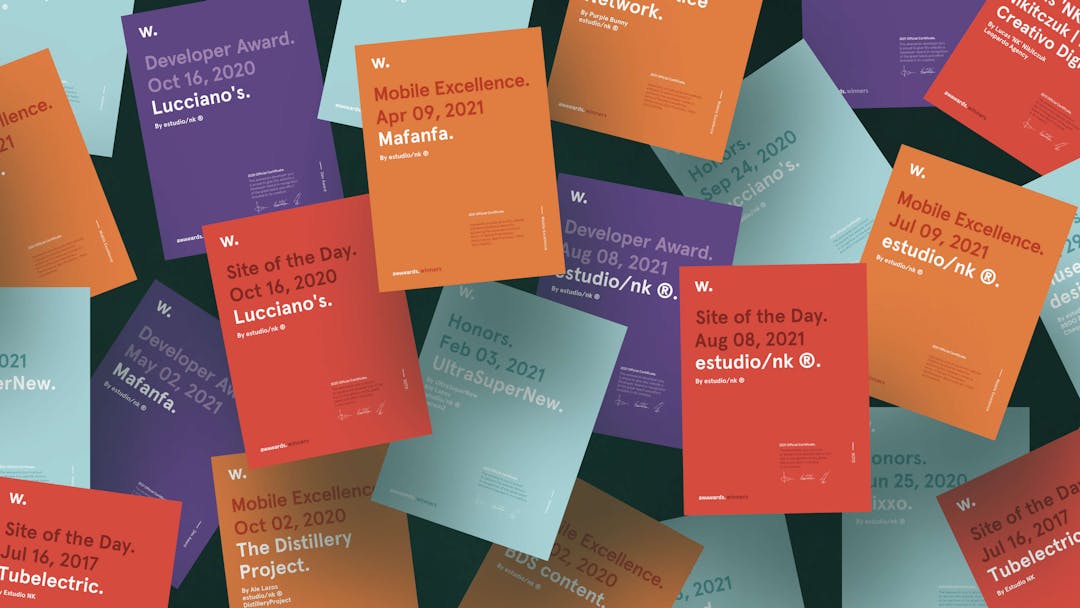
The most awarded on awwwards in LATAM
16 years of NK
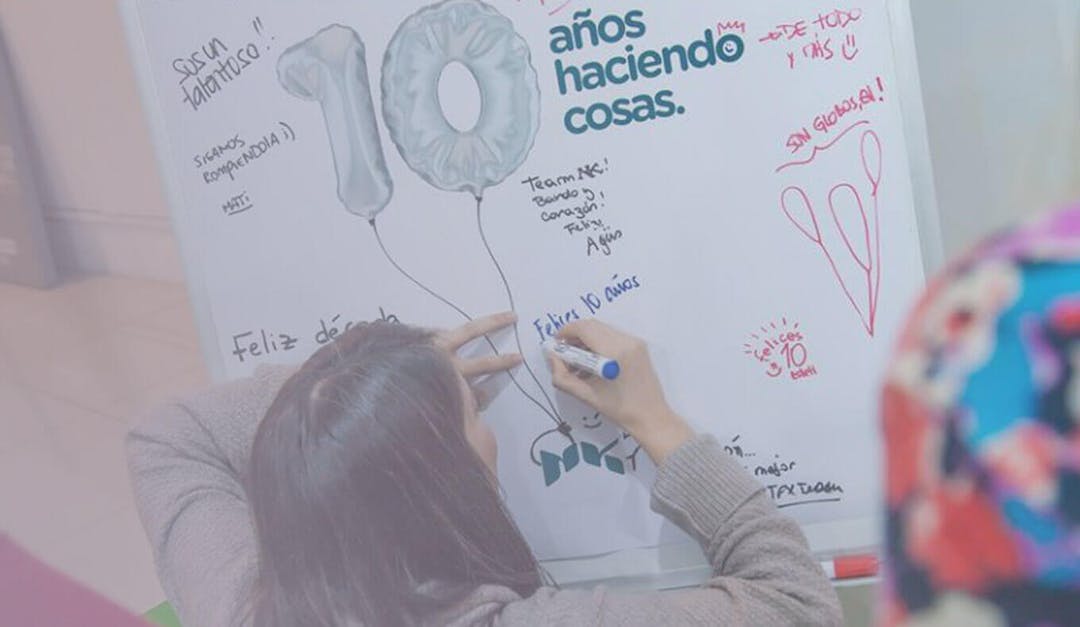
10 years doing stuff
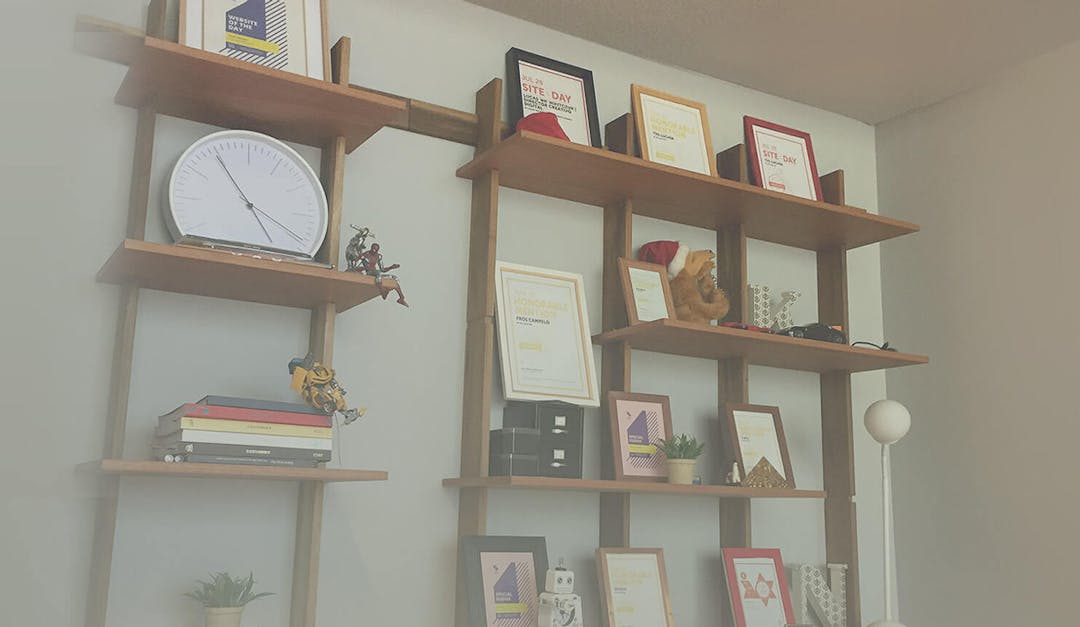
Lots of awards
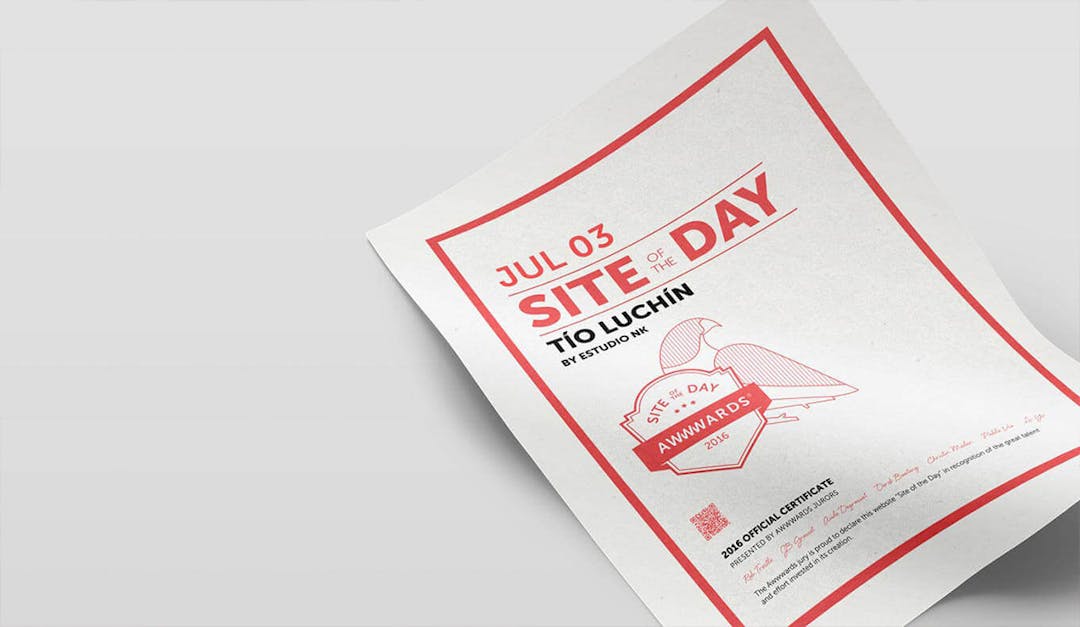
Awwwards

FePI, The Independent Advertising Festival
Agency of the Year 2016
Studio of the year 2016
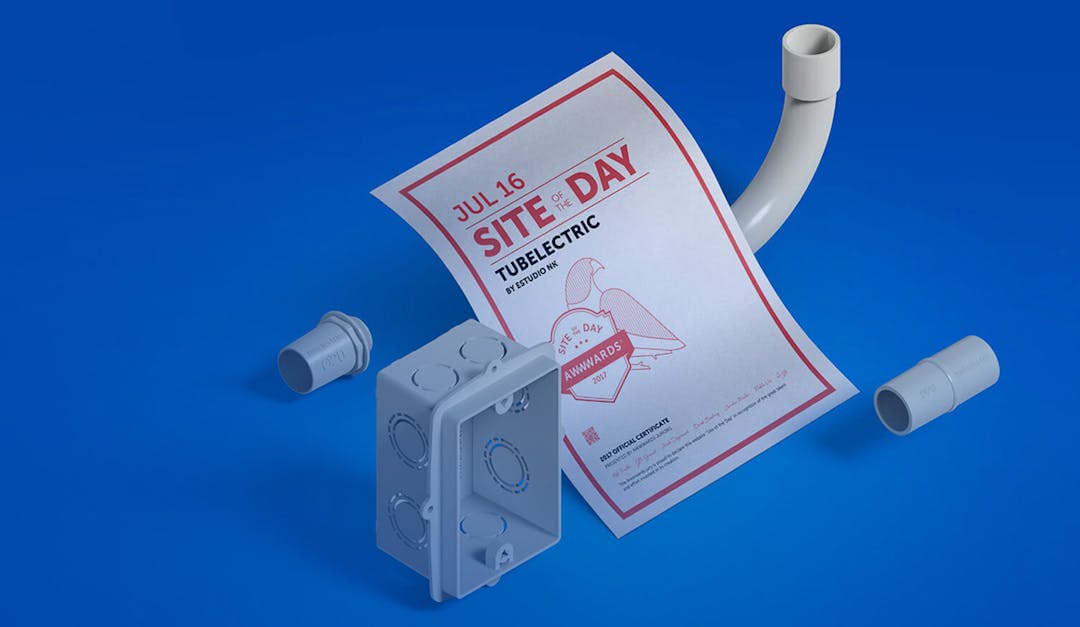
Awwwesome News
La Constitución
Studio of the Year 2017
Happiness and clients
Studio of the Year 2017

Seal to Good Design
We are now Awwwards' Juries
Studio of the Year 2018
Introducing the new nk
New Offices, Same Feeling

We received 5 stars in Clutch
19 things of this 2019
German Design Award 2021