Some unexpected things we learned producing with AI
There is something that has been catching my attention for some time now. A large part of the conversation around AI still revolves around the tools. Which model to use, which platform just launched, or which one promises to change everything.
But after working on many projects with these processes, the feeling is that the real changes are happening somewhere else.
AI did not eliminate problems.
It simply changed when they appear.
And that is a major advantage. Because the problems were never just about making beautiful products. The real risk was always everything that happened between an idea and its outcome.
Many times, that meant discovering too late that an idea did not work. That the scale did not match the investment. Or believing that everyone was watching the same movie when, in reality, each person was imagining a different version.
And those kinds of mistakes used to be very costly.
AI did not only accelerate production.
It accelerated disagreement.
In many projects, for example, this made it possible to quickly discover paths that were attractive, but did not truly represent the brand. Or ideas that worked in a presentation, but not when they became something tangible. And that changed the quality of the conversations.
Proposals and ideas stopped being abstract spaces of imagination and became spaces for visualization and strategy. Production stopped being merely the place where things are materialized, and became an improved space for growth and exploration. And this happened across every discipline and every stage.
Although there are small/big warnings. When the earlier stages define too much, they can also limit the stages that come after. We need to be careful with this. Part of the work is remembering that these materials do not replace the processes that follow, because when we preserve the right order, the results of the projects can grow. In plain terms, if the floor starts higher, the ceiling can also reach higher.
The focus of the work has shifted
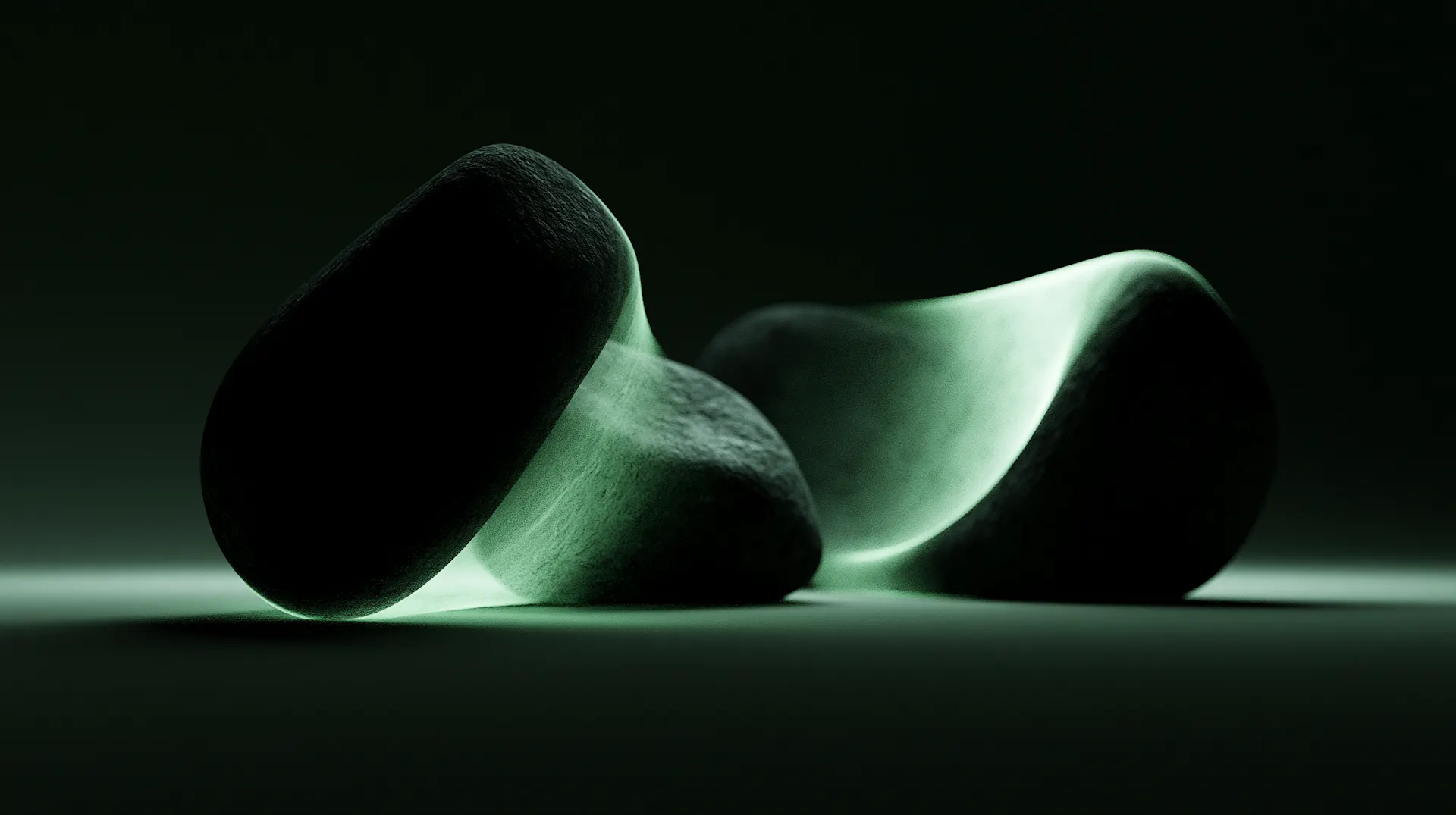
/ Intelligence becomes valuable when guided by intention.
For a long time, the great challenge was achieving visual quality. Impact. Show-off value.
The production value of a piece often ended up becoming more important than the message. Execution and spectacle could take up such a central place that, along the way, the discourse was pushed into the background. But that focus has shifted.
Designing an environment, a character, or imagining an idea and making it visible no longer necessarily depends on large structures. Many things that once required enormous resources now begin with something much simpler: being able to put them into words.
And that changed the rules. Because making a good image is no longer extraordinary. Building systems capable of sustaining an intention across hundreds of decisions is.
And that forced us to think differently. We began working with systems capable of sustaining concepts, characters, locations, movements, sounds, behaviors, and relationships between elements. Not as isolated documents, but as systems capable of keeping an intention alive.

Over-controlling things is also a way of breaking them
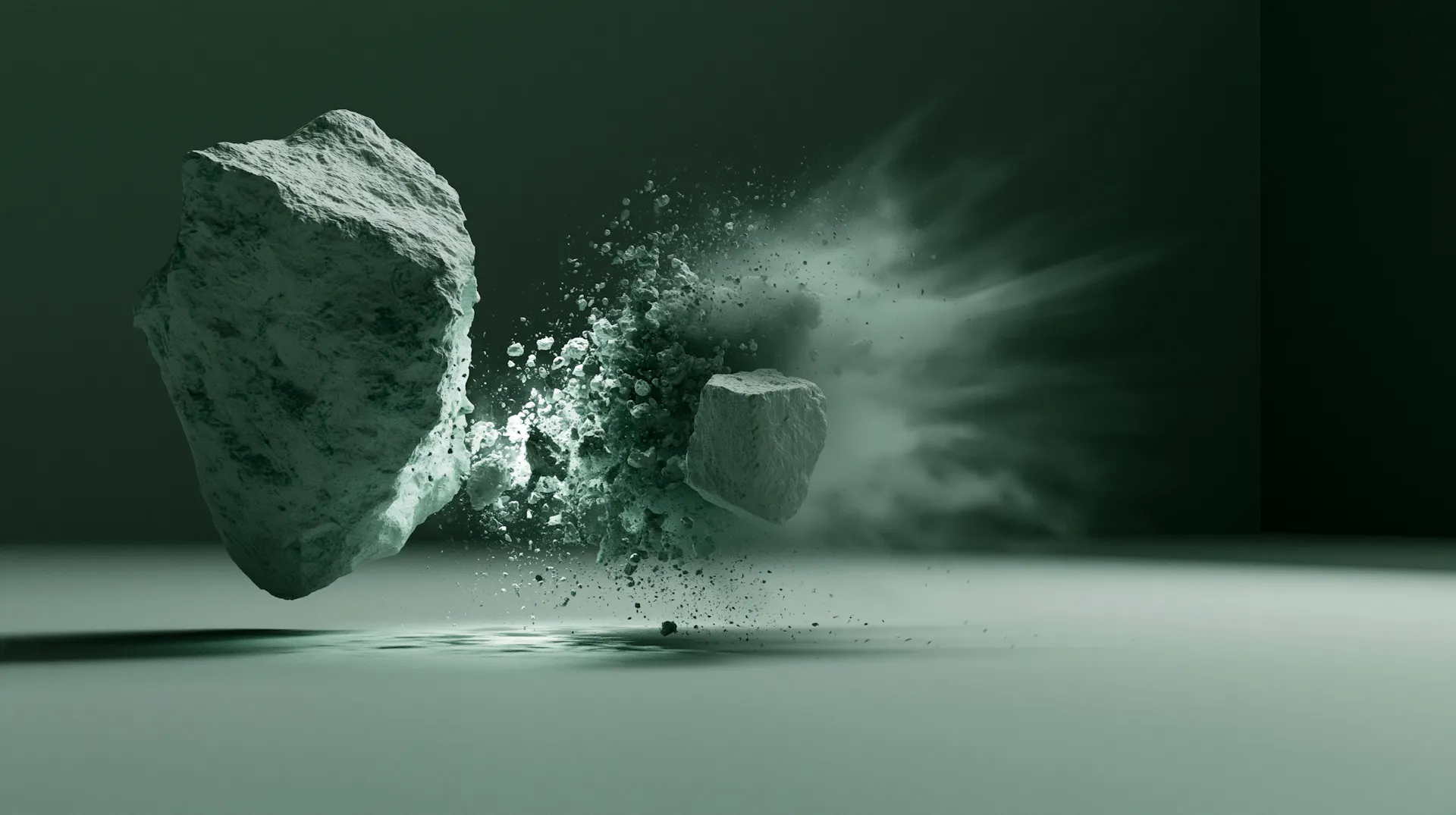
Of course, every magic trick comes at a price, and this one is no exception. At least for now. One of the most curious things we learned is that the more rigid an idea becomes, the more it begins to lose what made it interesting in the first place. This has always happened, but we did not always notice it. Now, that consequence is much more tangible.
The obsession with controlling every detail can end up producing results that are technically rigid and lifeless. Because our ability to control has grown exponentially. But so has the number of possible decisions.
And when everything seems too defined from the beginning, there is a risk of making rigid something that still needs room to grow. The challenge is no longer just to define an idea. It is also to keep it open.
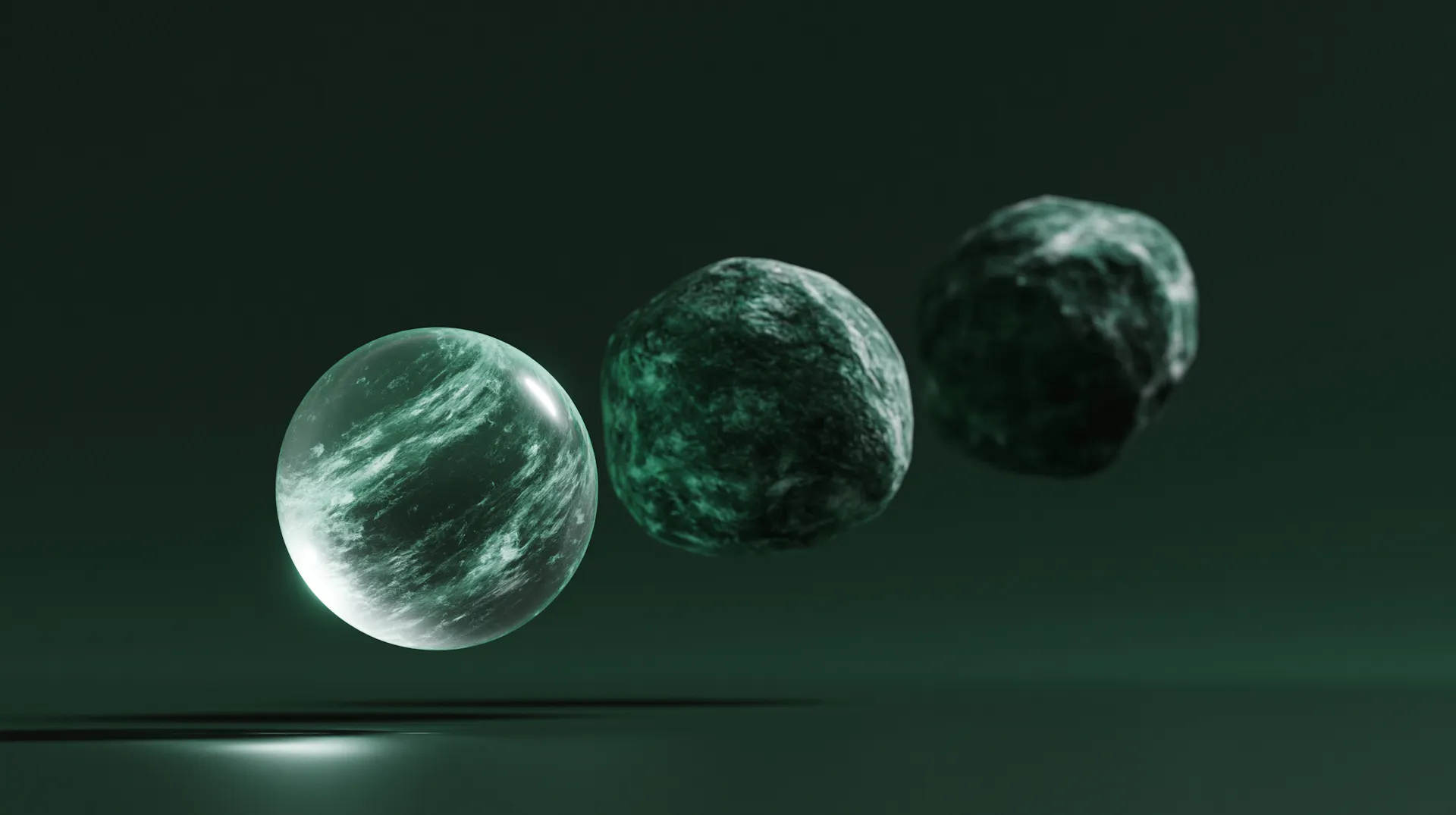
That is why part of the work is about building rules, and part of it is about leaving room for freedom. Moments when it is better to intervene, and moments when it is better to let the exploration stay alive.
Nature used to make a lot of decisions that we can now make ourselves.
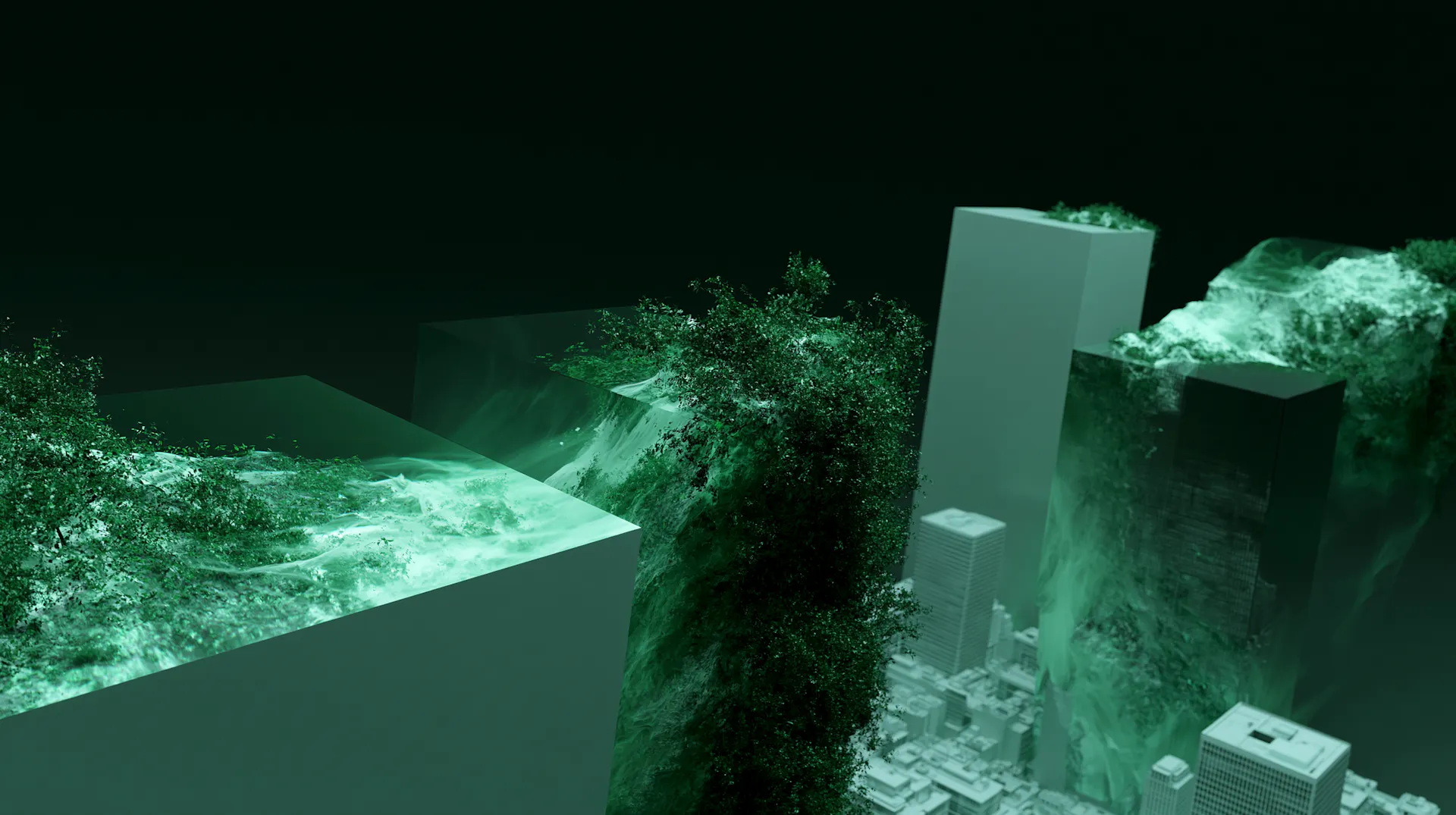
But that is not necessarily an advantage. As paradoxical as it may sound, having the ability to think through and adjust every detail can become a disadvantage. Because many times, the best ideas appear outside the plan.
Maintaining a north star
The possibilities became practically infinite. That changed our relationship with time. Exploration stopped being a stage and became part of the daily work.
But in an infinite sea of options, the risk of getting lost is also real. That is why, more than setting limits, we learned to build a north star. Intention, concept, timing, and scope became narrative elements.
The tools allow us to explore almost forever. But projects need to move forward. This is one of the most common mistakes: too many voices and endless adjustments to insignificant details can create irreversible wear and tear on the process, directly affecting the quality of the final product.
And curiously, one of the hardest things about this new stage is not generating more options. It is reaching consensus and deciding which ones deserve to keep existing. Because when everything seems possible, the ability to choose becomes just as important as the ability to create.
The creative nervous system
Over time, we discovered that prompt engineering matters far less than system engineering. The question stopped being which software to use. It became how to build processes capable of evolving. And those processes stopped organizing only stages.
They began coordinating review systems and automations. The logic stopped resembling a linear chain. And began to look more like an ecosystem. A creative nervous system. More and more, part of the work consists of building relationships between tools, automations, and specialized agents capable of collaborating with one another.
Because the challenge is no longer just to generate. The challenge is to orchestrate. The tools change. The models change. The workflows change. But the important questions remain the same.
And perhaps that is the most unexpected lesson of all. The advantage is rarely in the new tool. The advantage lies in incorporating a new tool without destroying everything that was learned before. Because technology will probably keep changing. But I suspect the real change happened somewhere else. It happened in the craft.
And we are only just beginning to understand what that means.
Research, concepts, scripts, storyboards, art direction, brand guidelines, look and feel, movement, sound, and even media strategy or performance measurement began to take part at much earlier stages.
"We stopped thinking about AI as a production tool. Today, it's part of how we explore, challenge, and refine ideas before they become reality."
Lessons from the process
Key takeaways
- Reality is no longer the limitation. Intention is.
- AI accelerates alignment—not just production.
- Creative systems matter more than individual outputs.
- Over-control reduces creative potential.
- A clear north star beats infinite possibilities.
- The future of creativity is orchestration.
FINAL Thoughts
And perhaps that is the most unexpected lesson of all. The advantage
is rarely in the new tool. The advantage lies in incorporating a new tool without destroying everything that was learned before. Because technology will probably keep changing. But I suspect the real change happened somewhere else. It happened in the craft.
And we are only just beginning to understand what that means.
Continue reading
The Last Tango

Our client’s customer experiences the brand
Everything that has to happen for something to feel simple
A website in a week and a half…
Before taking off, you need to know where you’re going.
Pomelo and the website that needed to grow at the pace of the business
The magical process of giving shape to an idea
The best prompt is still experience
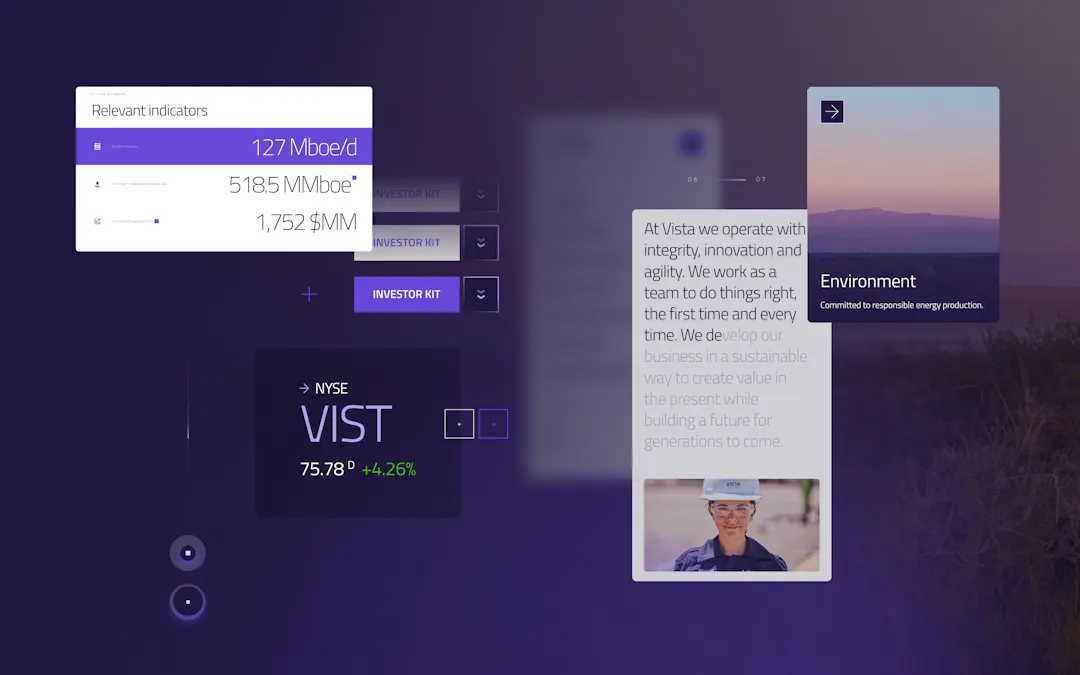
Vista Energy: Living Up to a Promise
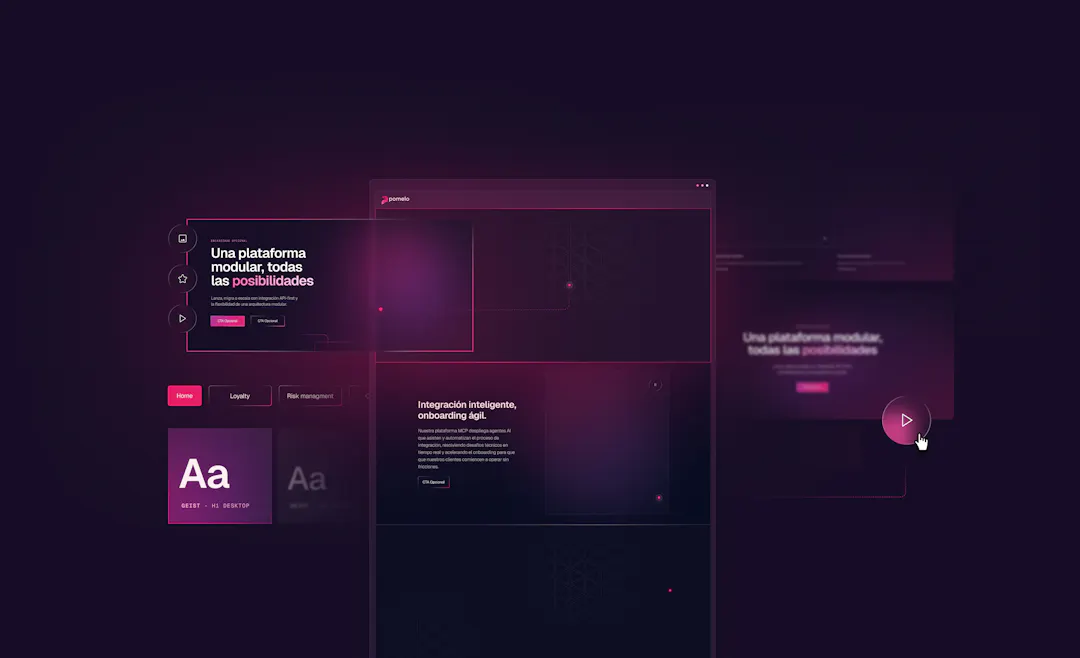
When a website stops being a page and becomes a platform
How we use (and don’t use) AI at /nk
Three Paths, One Recognition: the Sello de Buen Diseño
An Office Born on Our Website
Ride the Wave, Not the Trend: when community organizes, things happen 🌊
Redesigning is moving forward
Universities, design, and shared experience
How to move from frustration to selling an idea
How to make design a business
From practice to the classroom
SukuPay + Zigi: A Milestone for Finance in Latin America
Trends 2025
Congratulations Veritran!
We’re Now an Official Prismic Partner!
trip/nk: Together as one!
2024 Awwwards Conf - Valencia
Slashup/talks – A Culture Built by Collaboration
17 Years and Counting!
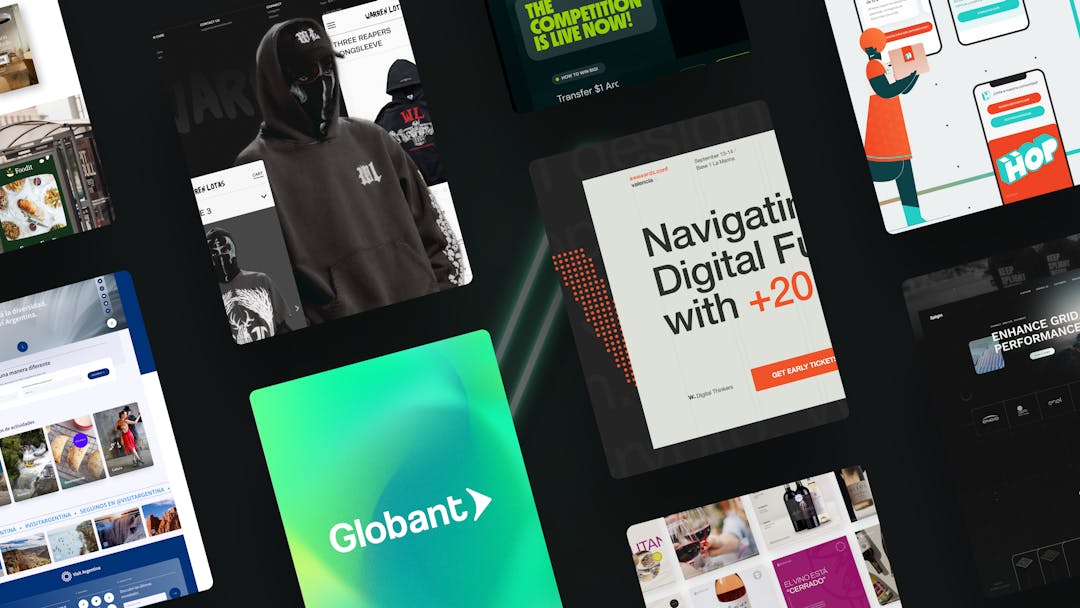
2024 Wrapped!
7th nomination for Studio of the Year
6th nomination for Studio of the Year
$12M in seed funding
We’re turning 18!
Suku: AI in audiovisual production
Awwwards Conf x estudio/nk®
Site of the Month award by Orpetron
5th nomination for Studio of the Year
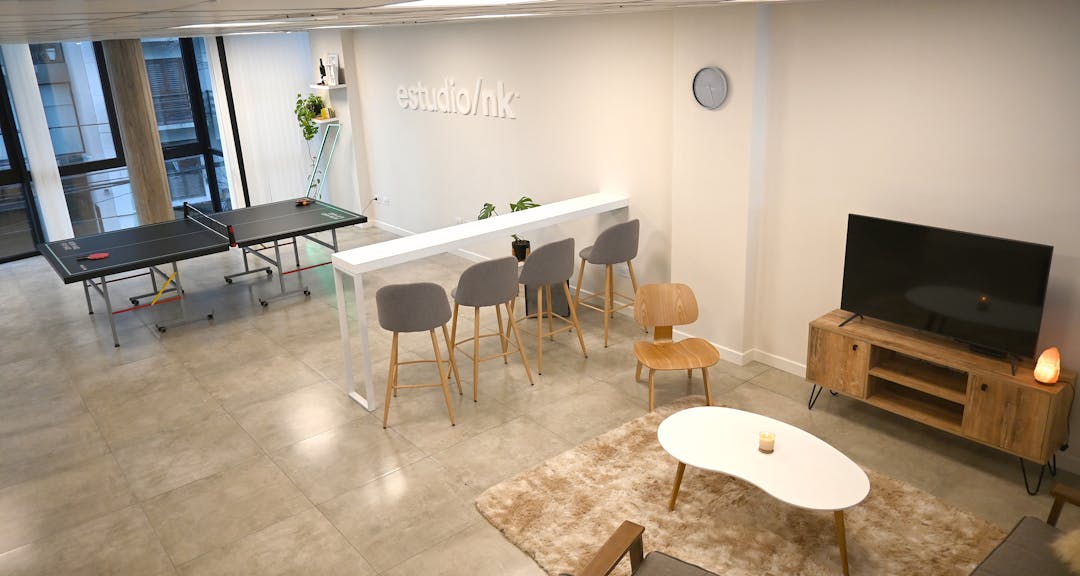
Welcome to our new offices in MDQ
Prima-T’s evolution
We are proud members of SoDA!
The Magic Bottle
Sixteen candles
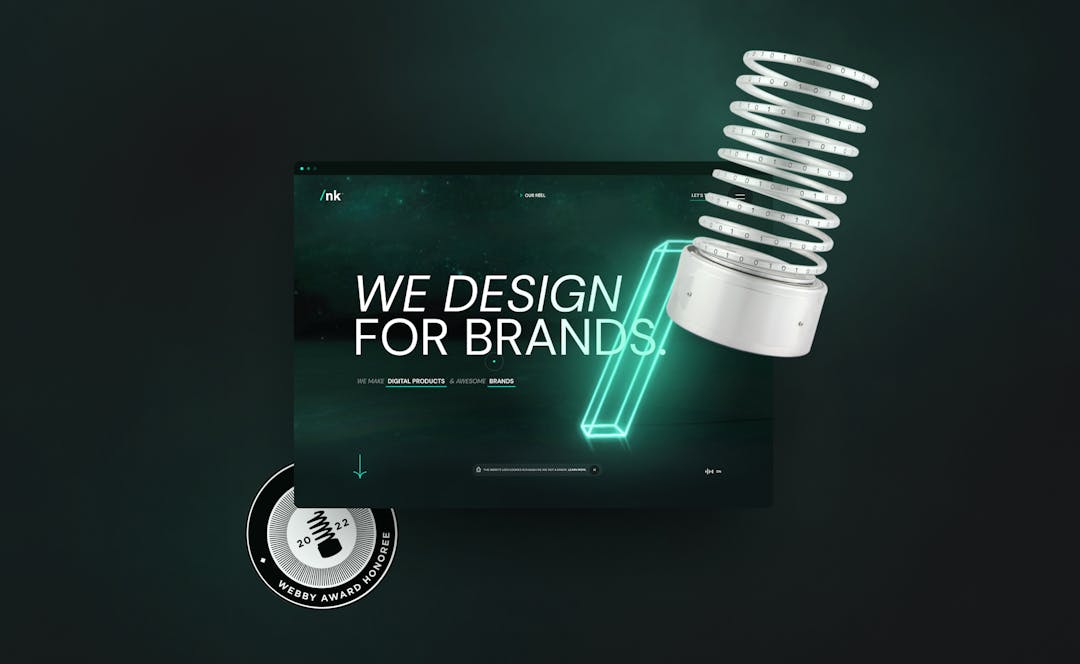
We're a Webby Honoree!
We are over the moon with this news!
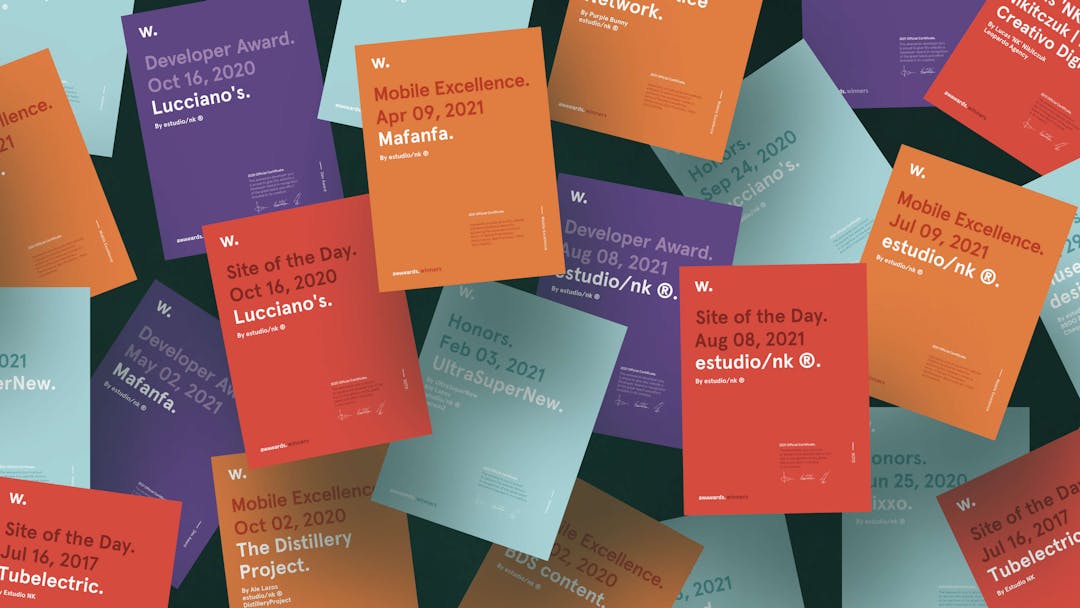
The most awarded on awwwards in LATAM
16 years of NK
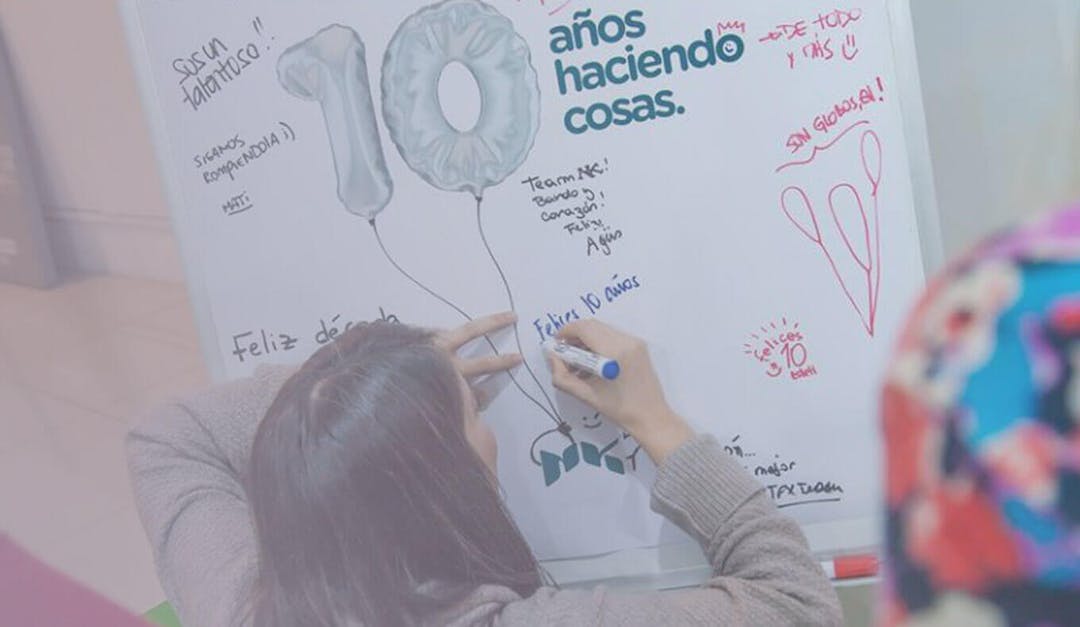
10 years doing stuff
Lots of awards
Awwwards
FePI, The Independent Advertising Festival
Agency of the Year 2016
Studio of the year 2016
Awwwesome News
La Constitución
Studio of the Year 2017
Happiness and clients
Studio of the Year 2017
Seal to Good Design
We are now Awwwards' Juries
Studio of the Year 2018
Introducing the new nk
New Offices, Same Feeling
We received 5 stars in Clutch
19 things of this 2019
German Design Award 2021