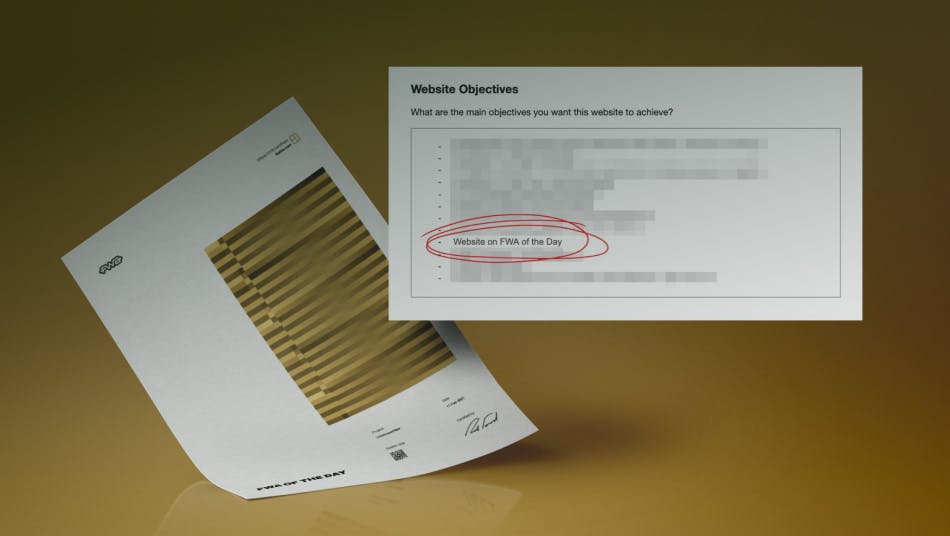
Today I want to talk about doing things faster.
Spoiler alert: yes, it has to do with AI. But it also has to do with speed, processes, the industry and, above all, with a question that is starting to come up more and more: How do we create more impact, in less time? Not faster just for the sake of it.
Faster to help organizations that need to move the needle, improve their indicators, go to market sooner, learn earlier and understand if what they are building actually works.
Everything that is happening with AI is cutting right through us. We test it, discuss it, use it, question it. Every day.
But it is also true that sometimes everything moves so fast that it leaves us staring at the screen thinking: ok, what happens now? What is going to happen to the industry in the next few years?
The most honest answer I have is: I have absolutely no idea. And, to be honest, I would be pretty skeptical of anyone who claims to have it all figured out.
What we do have are signals. Moments that challenge the way you work and make you wonder if the process you have used for years is still the best possible path for what comes next.
A few months ago, that happened to us with a client.
They had reached out to us to help them revamp their digital presence. A new take on their website, visual system, experience, animations, illustrations, information architecture and the way the brand presented itself to the world.
From a design perspective, it was a very good fit for /nk: strategy, system, identity, narrative, interaction. A clear opportunity to improve how that organization showed up and told its story.
The scope was clear from day one: they only needed design. So we did our magic: we asked questions, designed, adjusted, organized, delivered the assets and moved on to other projects.
Until, a week and a half later, the client sent us a message with a link: “Guys, look how it’s coming along.” We opened the link. And the site was practically live. The first reaction was: “What the fuck. What the hell happened here?”
Was it perfect? No. Did it have the fine craft we usually bring to implementation, which often makes our projects stand out? Not really.
But it was good. Very good. Functionally, it worked. And, above all, in terms of timing, it was insane. Something that used to take two or three months was suddenly taking shape in a week and a half.
And that is when a kind of reverse engineering started. We took that same Figma file we had shared with the client as a starting point and asked ourselves:
What process do we imagine could have happened there, but taken to a version with all the /nk imprint and criteria needed to build websites that truly make a difference?
We went back to our /nk.engine, which is something like an internal hub where we document processes, learnings and ways of working. And we started working on an updated version of our starter for web projects.
The premise was very clear: if design is much closer to the final result, the rest of the flow can change completely.
It should not be design on one side, development on another, content later, CMS even later, QA at the end and a long list of adjustments in between.
We aimed for an AI-powered process that could take the Figma design, generate the layouts, interpret the structure, build dynamic sections, incorporate that WOW effect we usually bring as a differentiator through the different skills we are developing, integrate it with a headless CMS and leave everything much more prepared for an automated QA process.
After two weeks, and a lot of burned tokens, we had a version of that website that was much closer to what we had originally imagined, in record time.
Today, many websites built entirely with Claude, ChatGPT, Cursor or whatever tool is trending this week are starting to have the same smell, the same rhythm, the same structure, the same lack of soul.
And this is exactly where there is a huge opportunity.
To keep offering that difference that makes something feel ownable, crafted and intentional, while making sure the time we invest in a project is much more focused on what actually matters.
How to tell better stories. How to create more impact. How to help an organization explain its value proposition better. How to move the needle. And doing all of that with less time wasted on repetitive tasks, manual content loading, endless handoffs between teams, avoidable errors or adjustments that do not add real value.
As I have been saying for a while: if you are bad, with AI you will still be bad, but faster. And if you are good, you can probably become good faster.
We do not have the absolute truth. We do not know what the industry will look like in ten years. We do not know which tools will stay, which ones will disappear or which part of the process will change again in six months.
But we do know one thing: we need to be smart enough to read what is happening and adjust whatever needs to be adjusted. It is a bit like changing the turbine of a plane while you are still in the air.
Without chasing every new tool as if it were a magic solution.
And without losing sight of what truly creates value.
The point is not to do anything faster.
The point is to do what matters faster.
Today, more than ever, Steve Jobs’ famous “stay hungry, stay foolish” resonates with me as strongly, or even more strongly, than when I first heard it.
- To stay alert.
- To stay uncomfortable.
- To keep learning.
And to keep looking for the best way to create real impact.
Faster, yes.
But more unique too.
Lucas
/nk.studio
Continue reading
The Last Tango

Our client’s customer experiences the brand
Everything that has to happen for something to feel simple
Before taking off, you need to know where you’re going.
Pomelo and the website that needed to grow at the pace of the business
Reality no longer works for us
The magical process of giving shape to an idea
The best prompt is still experience
Vista Energy: Living Up to a Promise
When a website stops being a page and becomes a platform
How we use (and don’t use) AI at /nk
Three Paths, One Recognition: the Sello de Buen Diseño
An Office Born on Our Website
Ride the Wave, Not the Trend: when community organizes, things happen 🌊
Redesigning is moving forward
Universities, design, and shared experience
How to move from frustration to selling an idea
How to make design a business
From practice to the classroom
SukuPay + Zigi: A Milestone for Finance in Latin America
Trends 2025
Congratulations Veritran!
We’re Now an Official Prismic Partner!
trip/nk: Together as one!
2024 Awwwards Conf - Valencia
Slashup/talks – A Culture Built by Collaboration
17 Years and Counting!
2024 Wrapped!
7th nomination for Studio of the Year
6th nomination for Studio of the Year
$12M in seed funding
We’re turning 18!

Suku: AI in audiovisual production
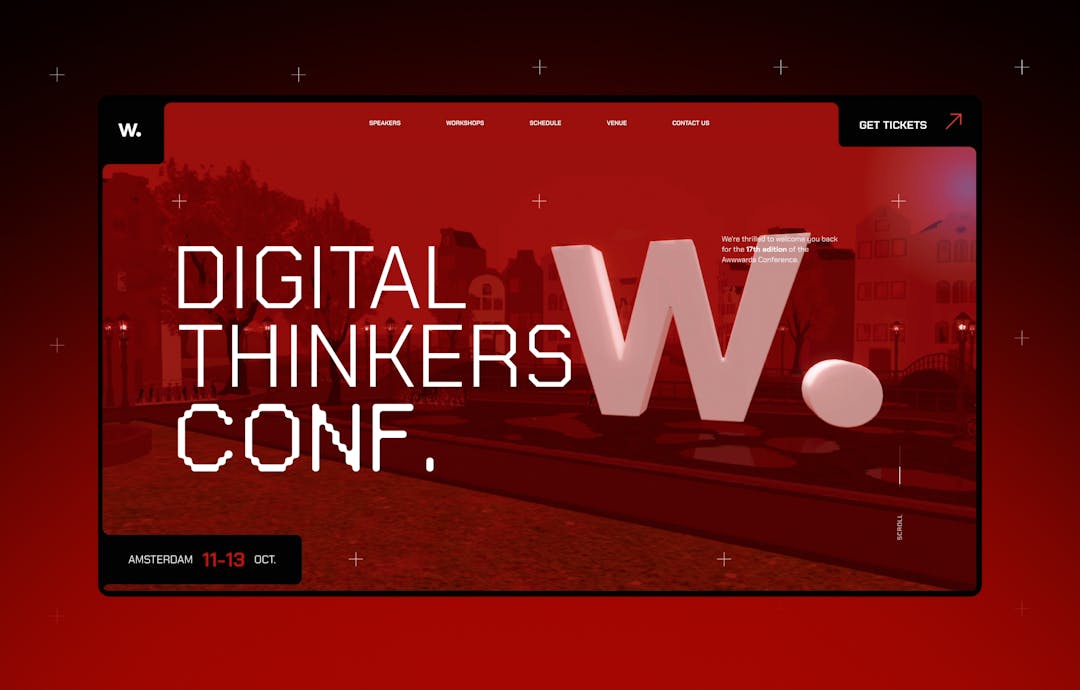
Awwwards Conf x estudio/nk®
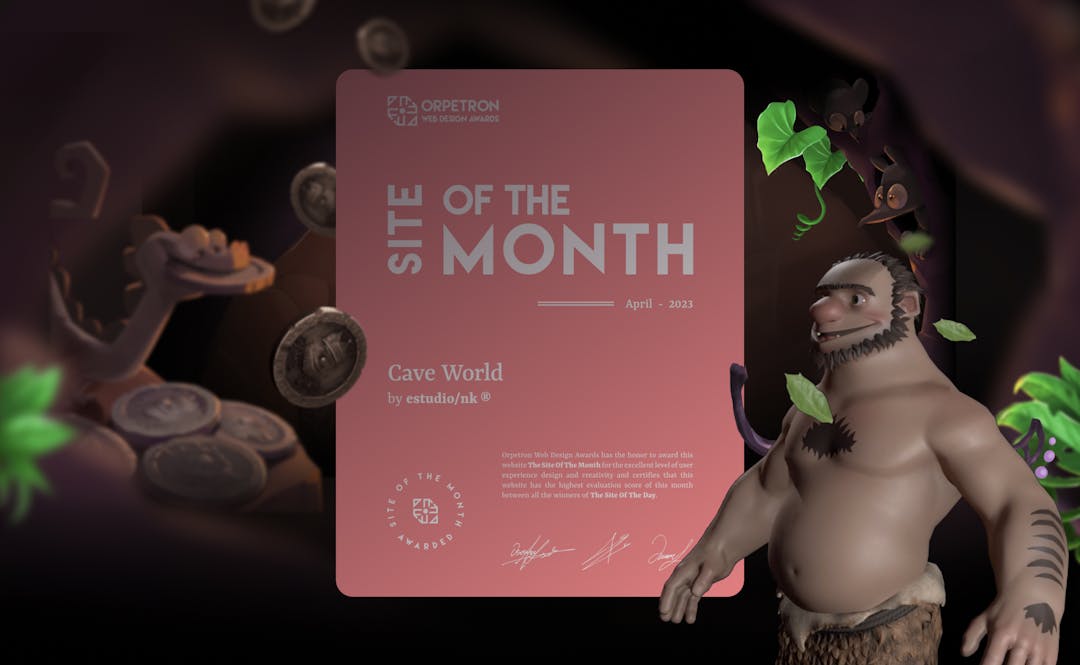
Site of the Month award by Orpetron
5th nomination for Studio of the Year
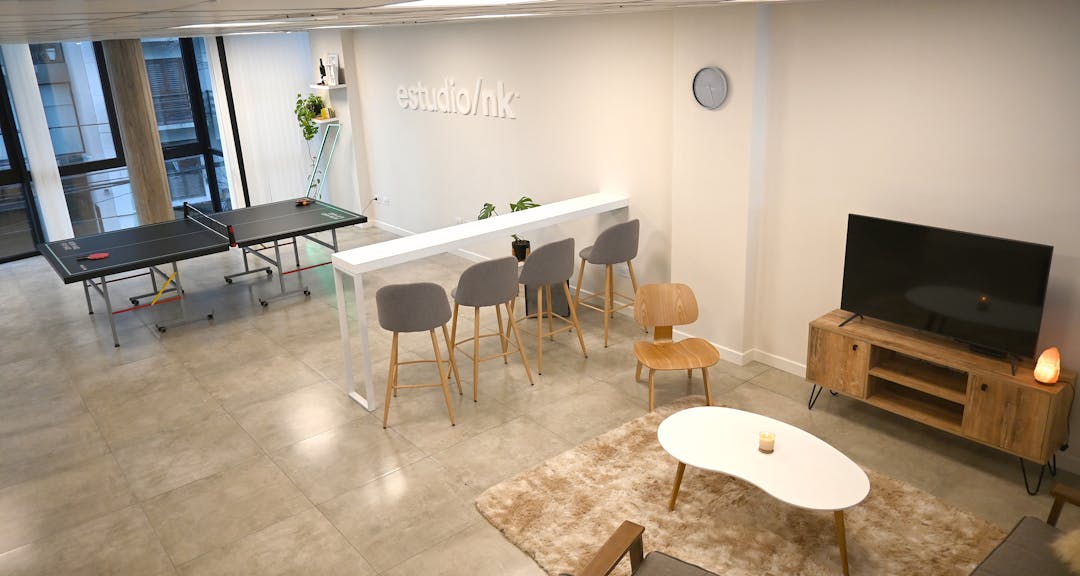
Welcome to our new offices in MDQ
Prima-T’s evolution
We are proud members of SoDA!
The Magic Bottle
Sixteen candles
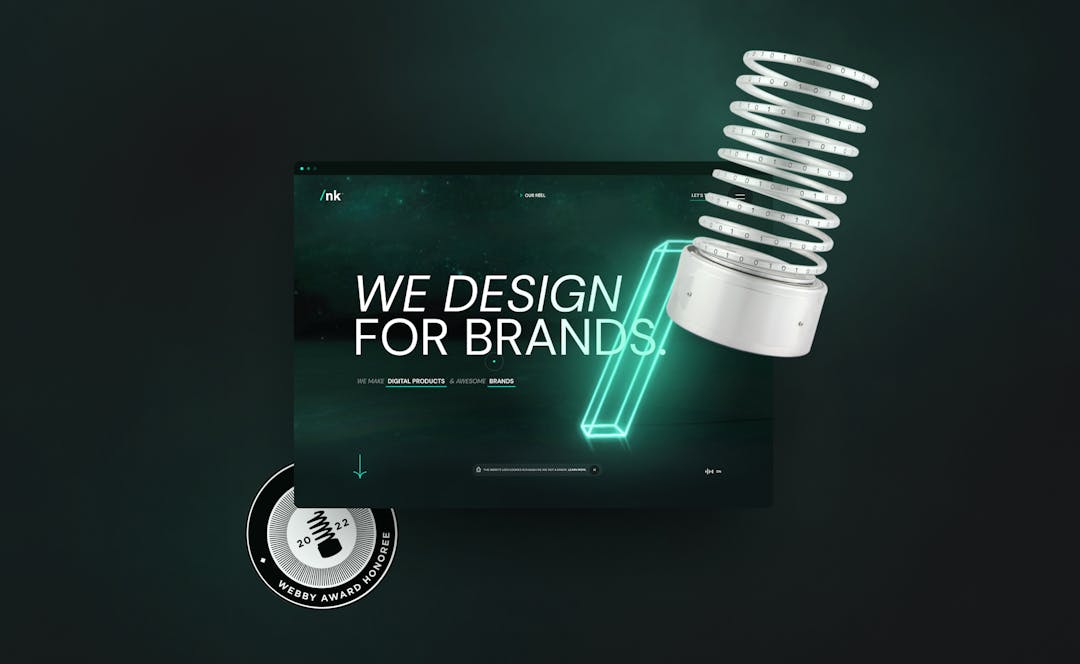
We're a Webby Honoree!
We are over the moon with this news!
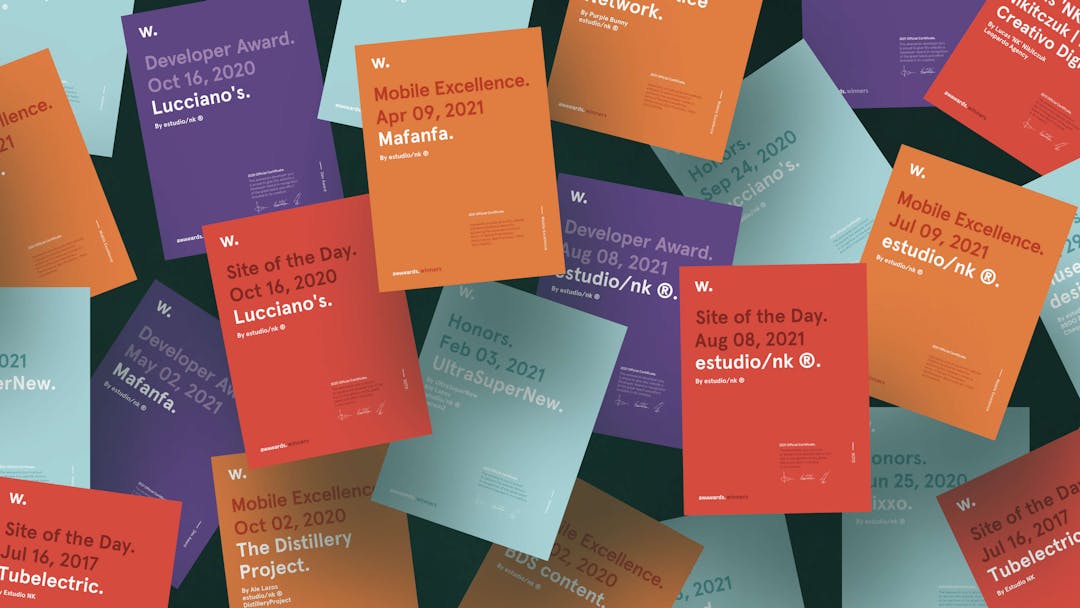
The most awarded on awwwards in LATAM
16 years of NK
10 years doing stuff
Lots of awards
Awwwards
FePI, The Independent Advertising Festival
Agency of the Year 2016
Studio of the year 2016
Awwwesome News
La Constitución
Studio of the Year 2017
Happiness and clients
Studio of the Year 2017
Seal to Good Design
We are now Awwwards' Juries
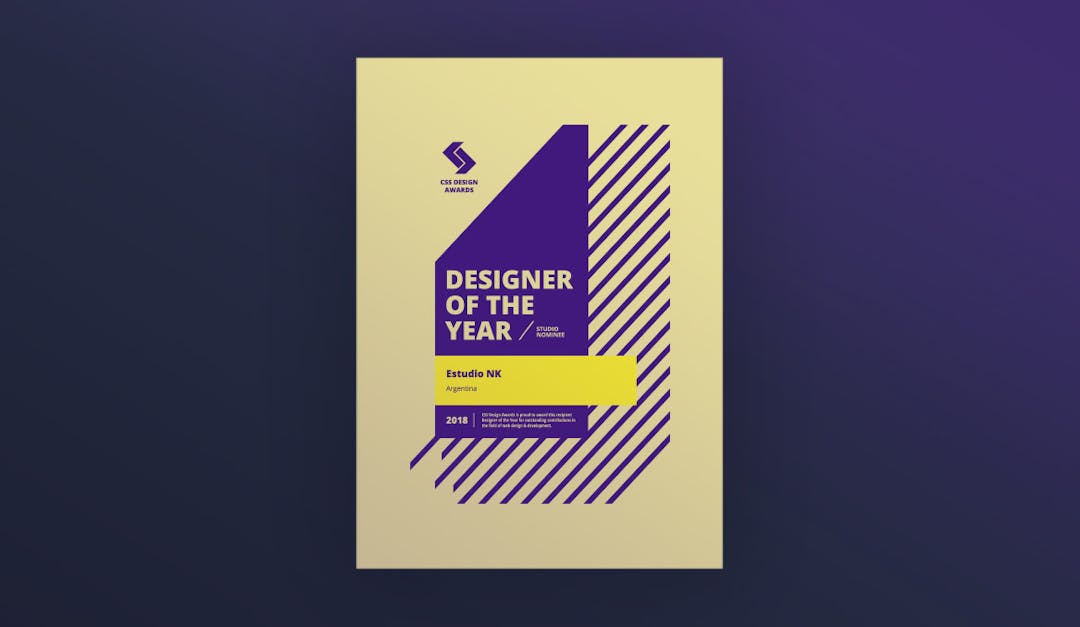
Studio of the Year 2018
Introducing the new nk
New Offices, Same Feeling
We received 5 stars in Clutch
19 things of this 2019
German Design Award 2021