How we transformed a digital need into a platform prepared to support growth.
A big part of what we do comes from looking, observing, listening. A film, a song, a sign on the street, a conversation, a brand, a product, a company.
I’m one of those people who believes inspiration shows up in pretty random places, but also when you understand a little more about the world you move in. For many years now, I’ve been watching companies. I follow them. Sometimes out of admiration, sometimes out of curiosity, sometimes because I feel there’s something there. As if, at some point, those paths might cross.
That’s what happened to me with Pomelo.
I had been following what they were building for a while. I thought they were an extraordinary company, with a huge value proposition, a complex category, and a very clear mission.
But every time I visited their website, I felt that part of what I knew Pomelo was doing wasn’t fully being told.
And I don’t mean that as criticism, not at all. It was more of a professional instinct. Looking at something and thinking: “there’s an opportunity here.” A super powerful company that, I felt, could communicate much more through its digital presence.
We started talking, understanding what they needed, what was happening, which parts of the site they couldn’t move at the speed they wanted. And through those conversations, the real size of the problem started to appear.
When we understood that such a clear, ambitious, and constantly evolving company had gone through four or five different versions of its website in six or seven years, we said: okay, there’s something here.
Five versions in just a few years speak of a company that moves, changes, adjusts, grows, tests, and pushes forward. But they also show that there was a foundation that wasn’t fully solving the problem.
The different versions of the site had accompanied each moment, but they hadn’t accompanied the movement.
A website is usually one of a company’s main validation channels: for clients, talent, press, partners, investors, and anyone who hears about them and wants to understand what they’re building. That first contact often happens through a conversation. A colleague, a client, a piece of news, a funding round, someone saying: “look at what these guys are doing.”
But then comes the validation online.
What do they do? How clear are they? How solid do they look? How prepared is the company? How real is what someone told you?
I always say that word of mouth is still the first great builder of brand value. But the internet is, without a doubt, where that word of mouth is either confirmed or falls apart.
Pomelo was entering a stage of major evolution. Months of movement were coming, new ways of organizing, communicating, and better explaining their offering. So it became clear that this had to be something bigger than a new website.
We had to understand what couldn’t happen again.
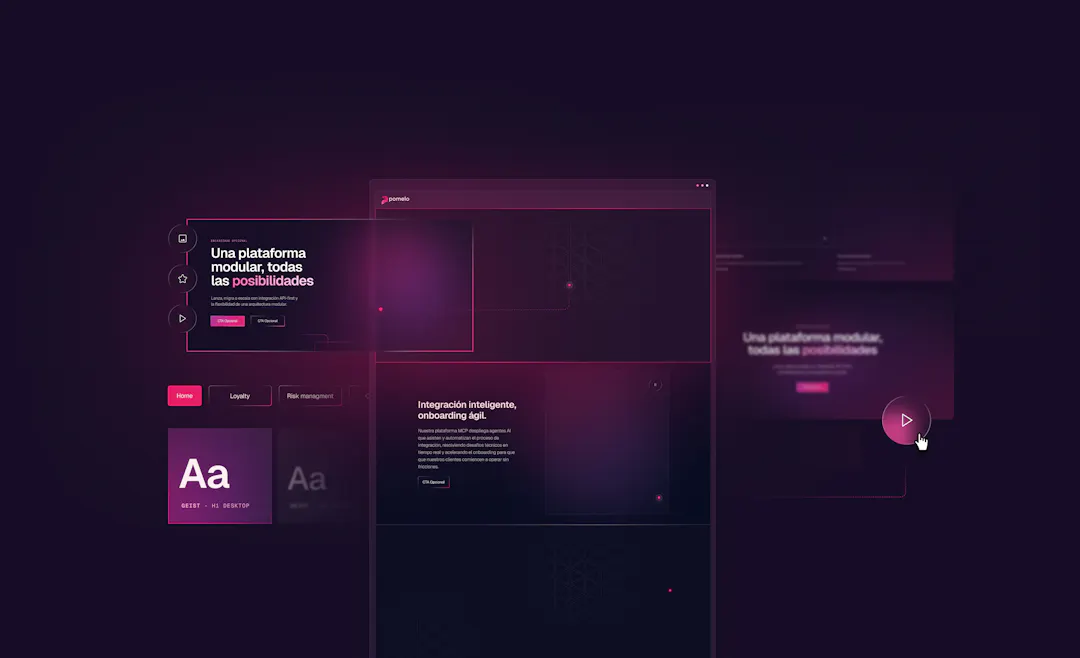
Because many times, a website is launched with everything you know from the past, but not necessarily with everything you’ll need in the future. And that was one of the keys: building a foundation that could keep giving them life. A platform that would allow the team to create sections, launch landing pages, manage forms, edit fields, connect flows with Salesforce, update messages, test narratives, and support new markets without turning every change into a mini project.
That’s autonomy.
Being able to respond to the business. Being able to move when an opportunity appears. Being able to make the site keep pace with the real speed of the company.
And that autonomy isn’t achieved by simply putting a CMS behind a website. It’s achieved by understanding what the team needs to control, what things need to be editable, which parts should remain protected, which components need to be flexible, and which visual rules need to be preserved.
That’s where design, technology, and business start to mix as part of the same conversation.
Technically, we could say we worked on a modular, scalable, self-managed platform. And that’s true. But said that way, it sounds too correct, too technical, too inhuman.
What we really did was simpler to understand and much more complex to execute: we built a system so Pomelo could continue being Pomelo while evolving.
The site had to communicate a more solid, clearer, more mature company. One prepared to speak to clients, partners, investors, and high-level teams. We wanted to avoid that generic fintech aesthetic where so many companies end up looking alike. Pomelo had to feel like Pomelo, but at another scale.
The homepage was key. So were the animations. The microinteractions, the way of explaining, the possibility of visualizing a card in real time, the details that help transform something complex into something more tangible. All of that had to serve a bigger idea: that the experience should help people understand the business better.
Then there’s the part you don’t always see in the first scroll.
The robustness behind it. The architecture. The CMS. The modules. The forms. The integrations. Performance. SEO, GEO. Accessibility. Documentation. Training. The possibility that the project doesn’t end on launch day.
Today, technology helps enormously. It accelerates, empowers, opens paths. But criteria are still what define which problem is worth solving.
With Pomelo, the problem was clear: the site couldn’t become too small again. It couldn’t keep running behind the business. It couldn’t force the company to start from scratch every time it evolved.
Everything started with a message that might never have existed. With an intuition, with curiosity, with looking at a company we thought was extraordinary and feeling there was something we could help tell better.
Sometimes the real brief appears there, in the conversation that helps you understand which part of the business needs to stop getting stuck.
And when that happens, a website stops being just the place where a company presents itself.
It starts becoming part of how that company grows.
Lucas
/nk.studio
PS: If any of this got you thinking, we keep the conversation going by email every 15 days. Subscribe to our news from the footer of our website.
Continue reading
The Last Tango

Our client’s customer experiences the brand
Everything that has to happen for something to feel simple
A website in a week and a half…
Before taking off, you need to know where you’re going.
Reality no longer works for us
The magical process of giving shape to an idea
The best prompt is still experience
Vista Energy: Living Up to a Promise
When a website stops being a page and becomes a platform
How we use (and don’t use) AI at /nk
Three Paths, One Recognition: the Sello de Buen Diseño
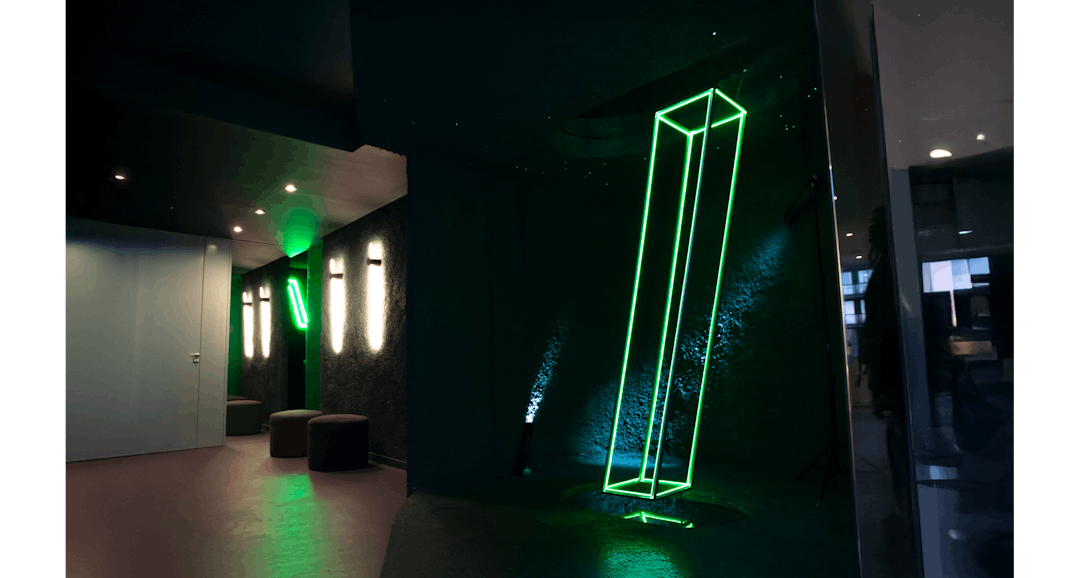
An Office Born on Our Website
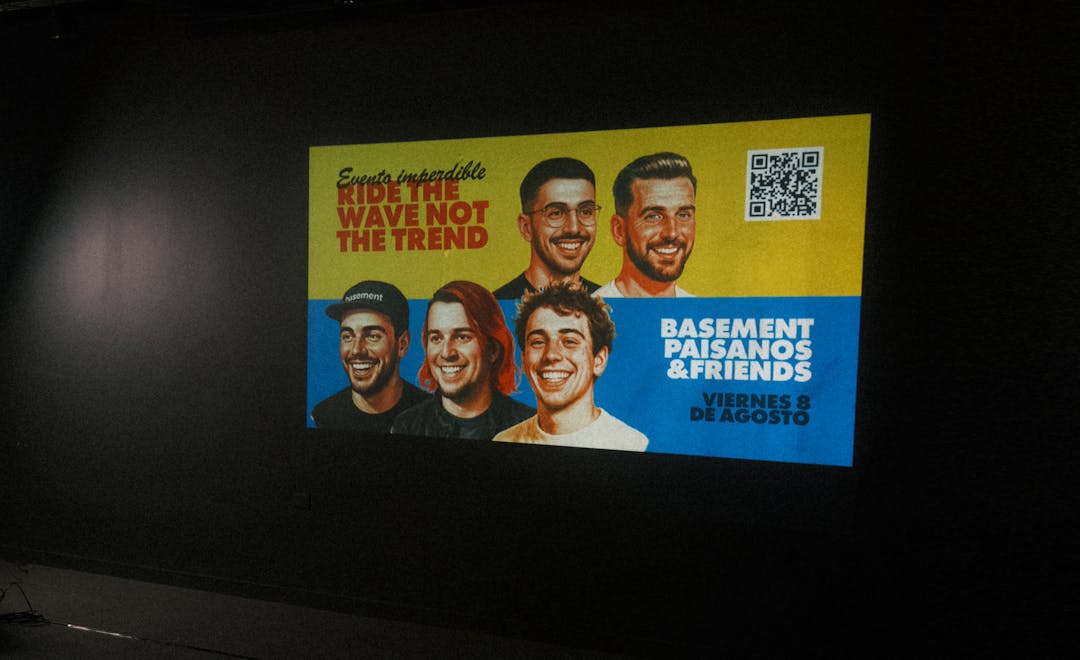
Ride the Wave, Not the Trend: when community organizes, things happen 🌊
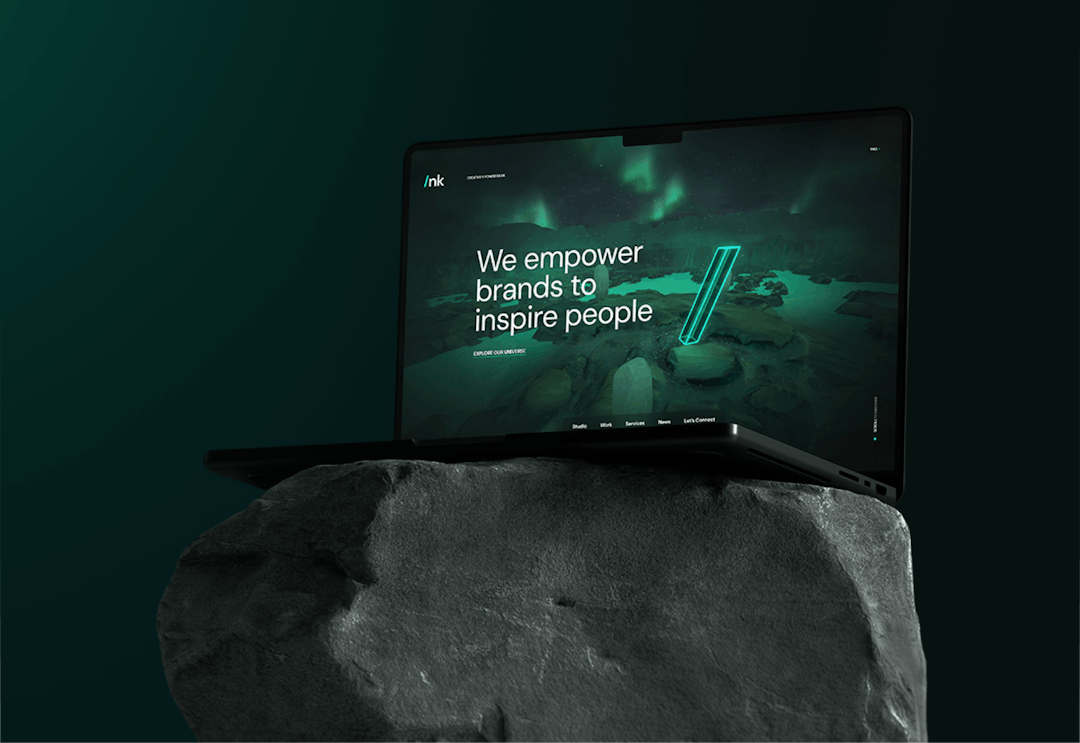
Redesigning is moving forward
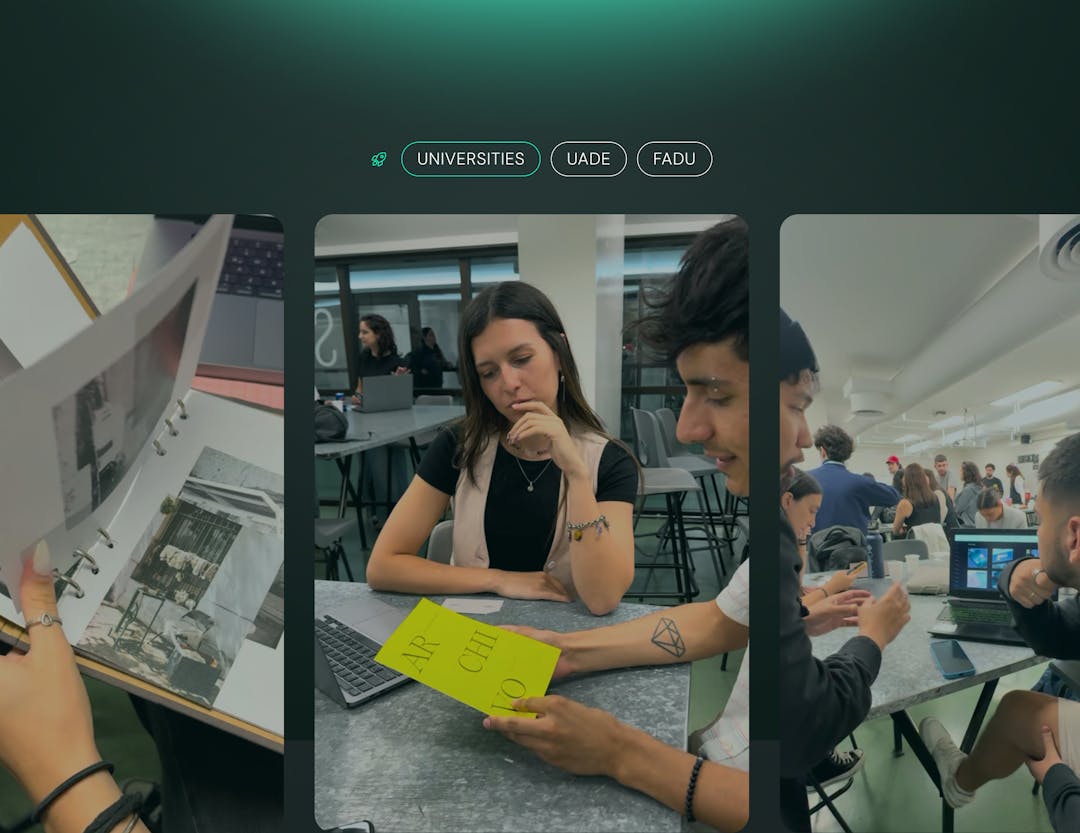
Universities, design, and shared experience
How to move from frustration to selling an idea
How to make design a business
From practice to the classroom
SukuPay + Zigi: A Milestone for Finance in Latin America
Trends 2025
Congratulations Veritran!
We’re Now an Official Prismic Partner!
trip/nk: Together as one!
2024 Awwwards Conf - Valencia
Slashup/talks – A Culture Built by Collaboration
17 Years and Counting!
2024 Wrapped!
7th nomination for Studio of the Year
6th nomination for Studio of the Year
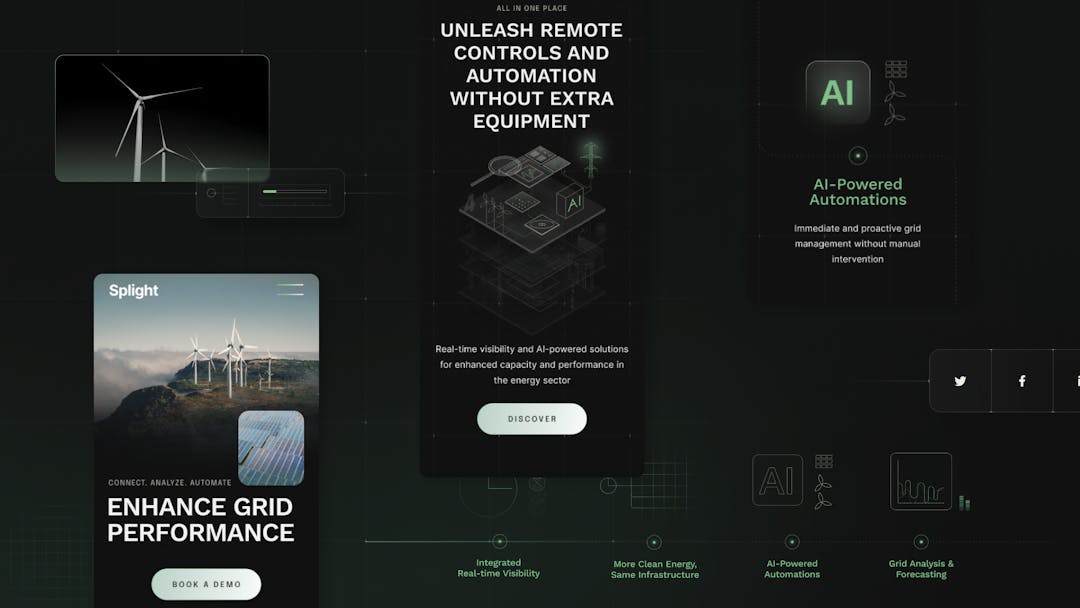
$12M in seed funding
We’re turning 18!

Suku: AI in audiovisual production
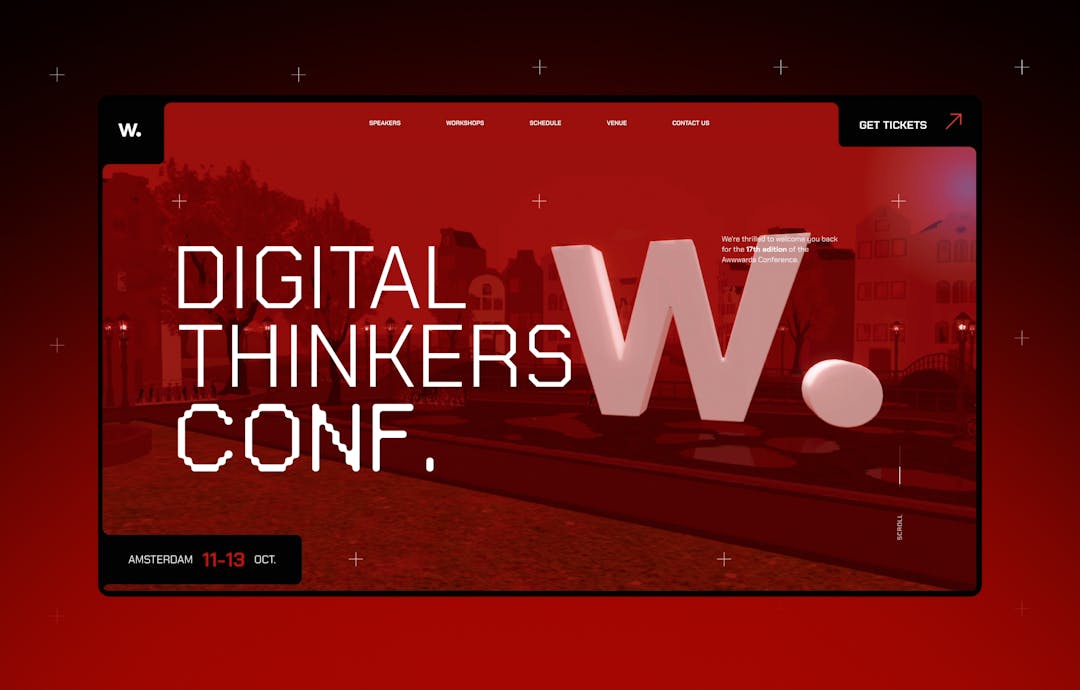
Awwwards Conf x estudio/nk®
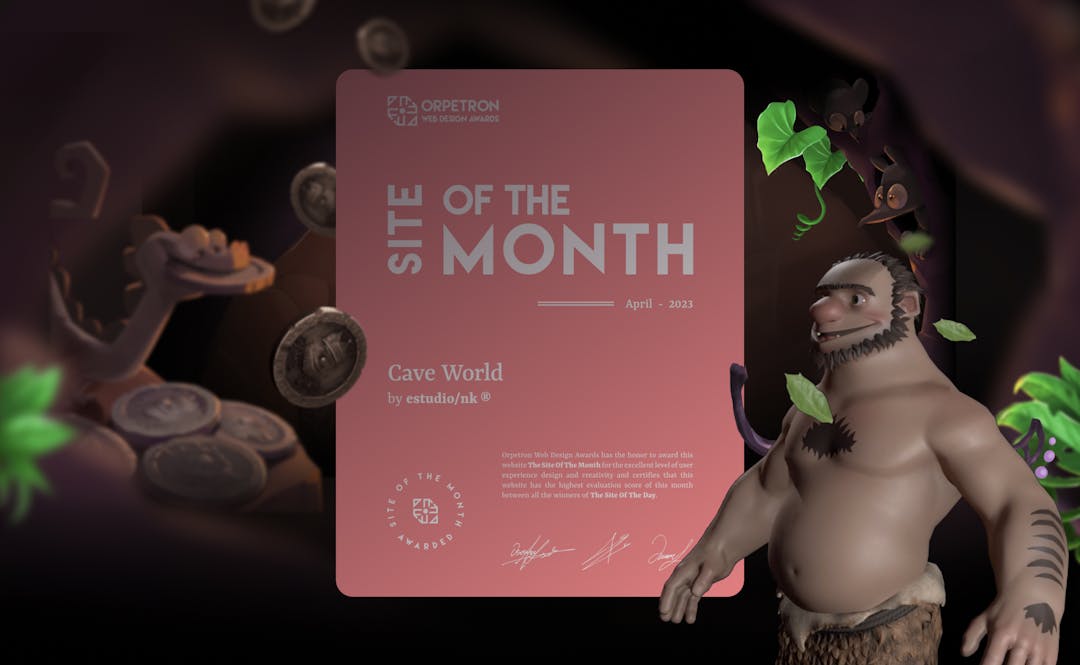
Site of the Month award by Orpetron
5th nomination for Studio of the Year
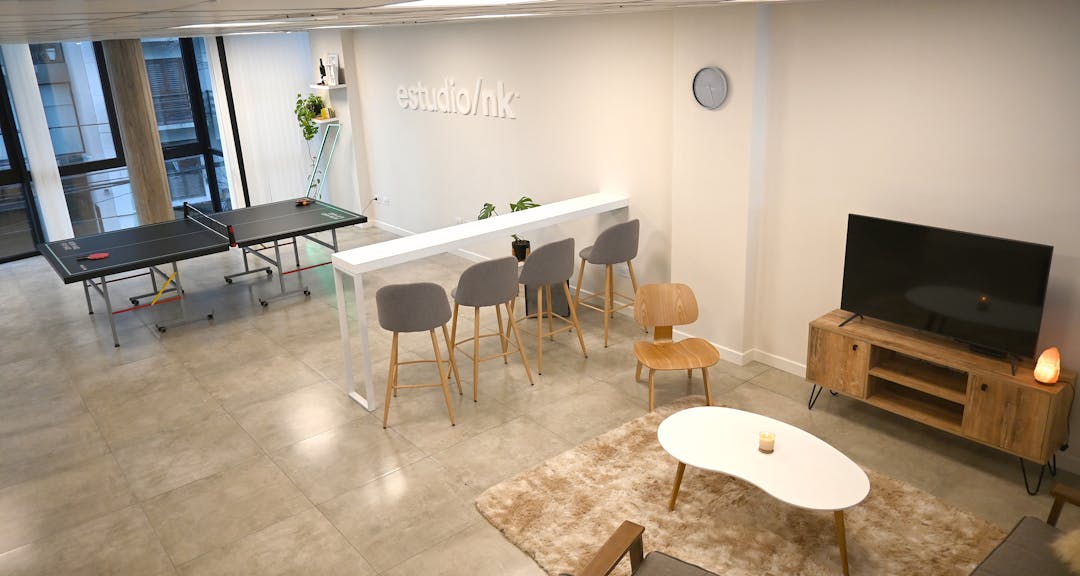
Welcome to our new offices in MDQ
Prima-T’s evolution
We are proud members of SoDA!
The Magic Bottle
Sixteen candles
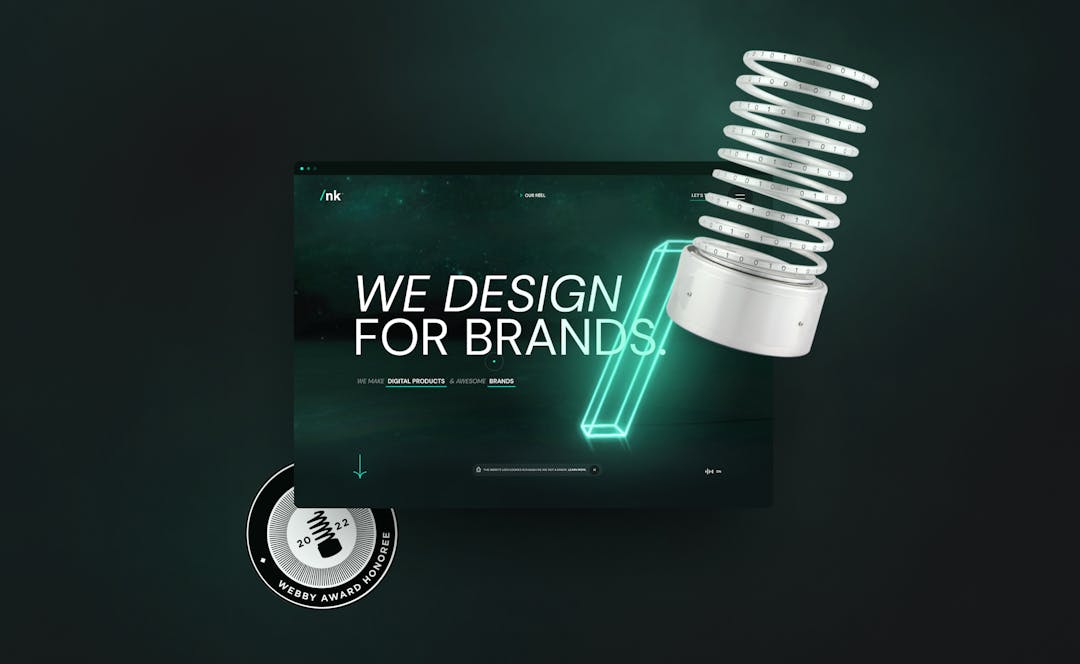
We're a Webby Honoree!
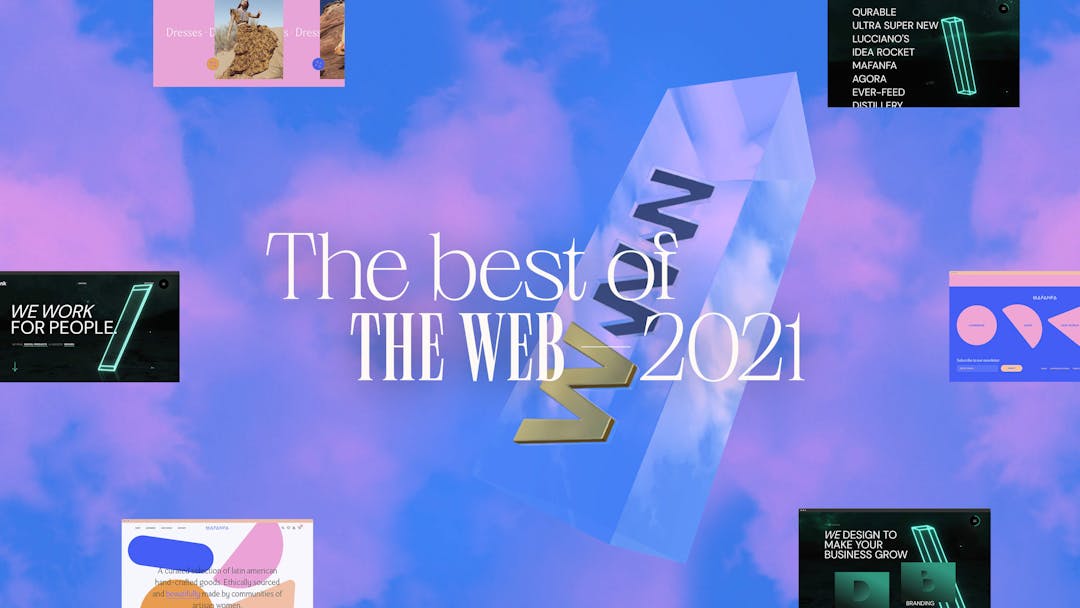
We are over the moon with this news!
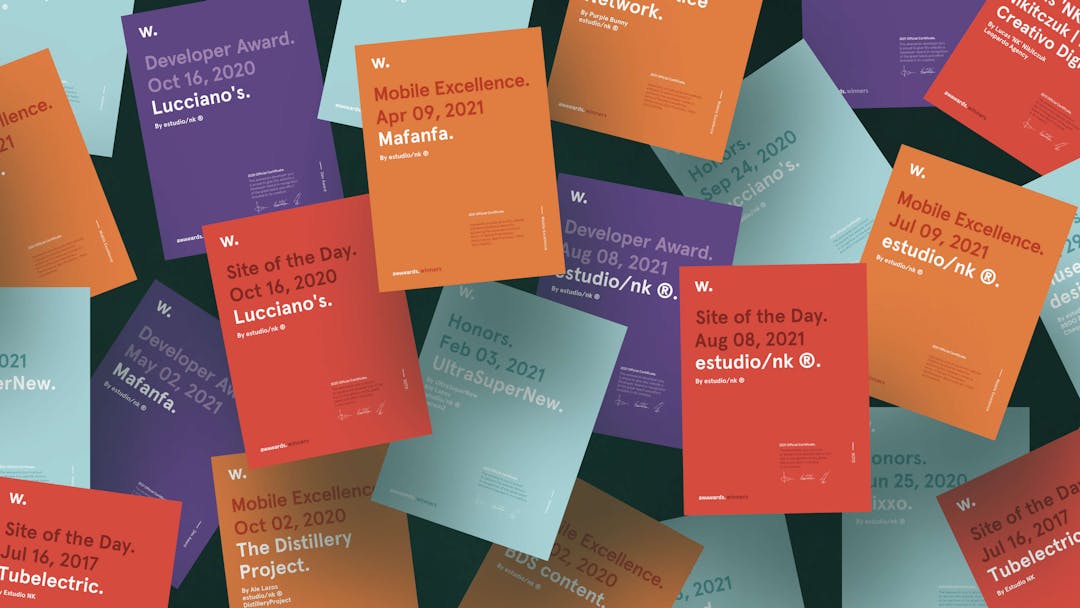
The most awarded on awwwards in LATAM
16 years of NK
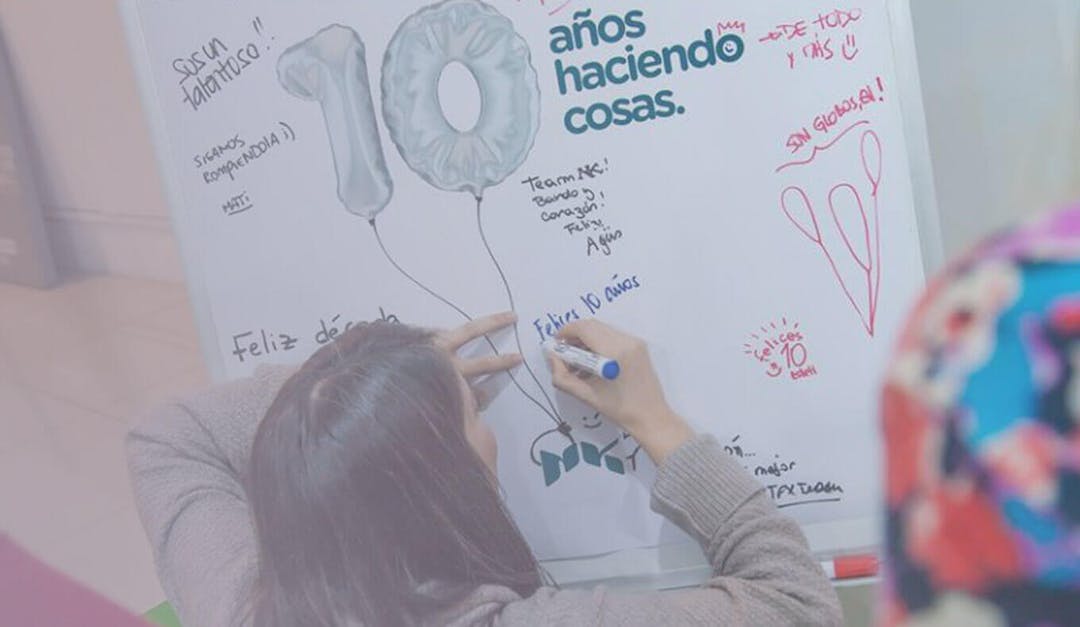
10 years doing stuff
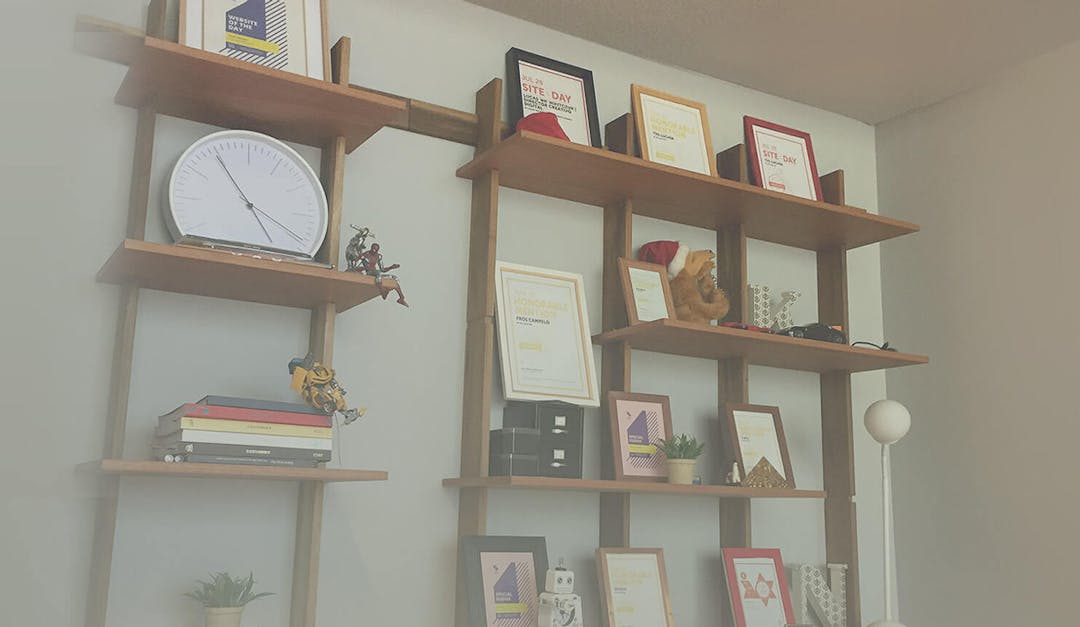
Lots of awards
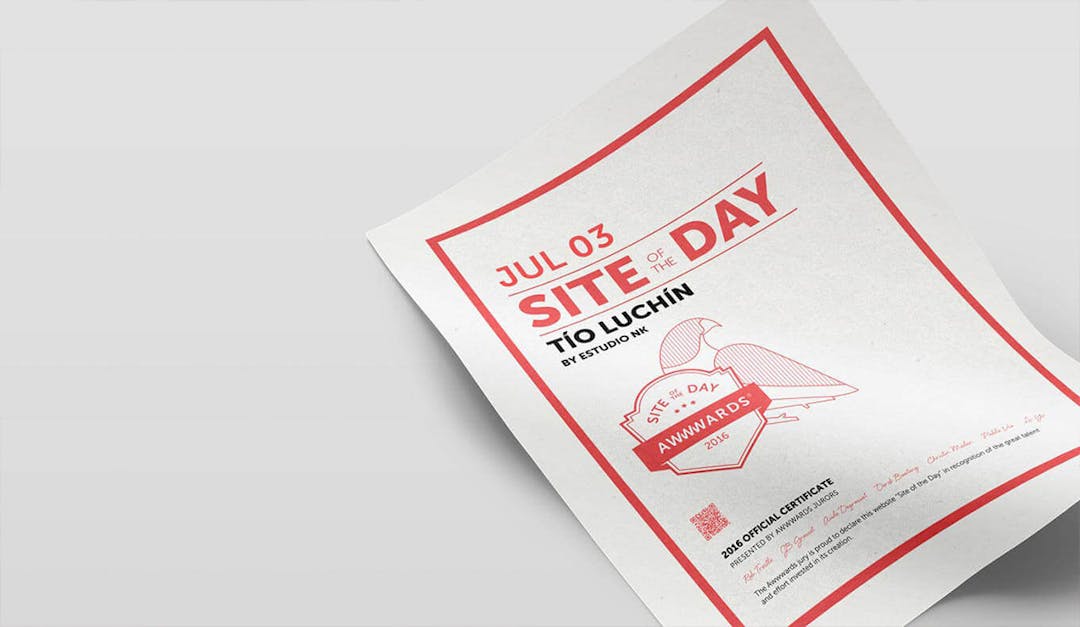
Awwwards

FePI, The Independent Advertising Festival
Agency of the Year 2016
Studio of the year 2016
Awwwesome News
La Constitución
Studio of the Year 2017
Happiness and clients
Studio of the Year 2017

Seal to Good Design
We are now Awwwards' Juries
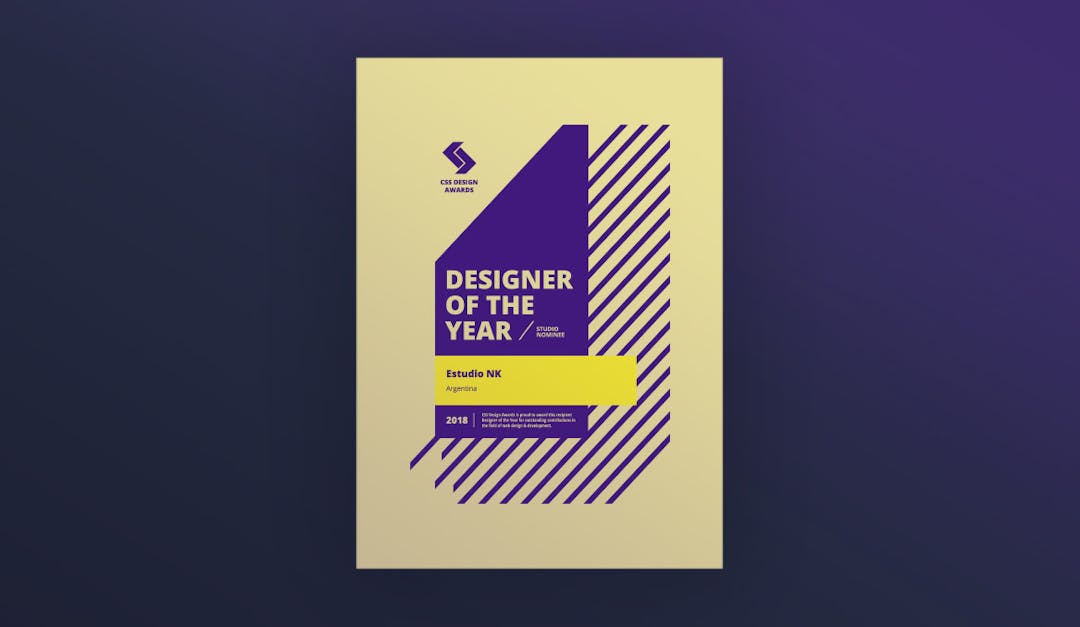
Studio of the Year 2018
Introducing the new nk
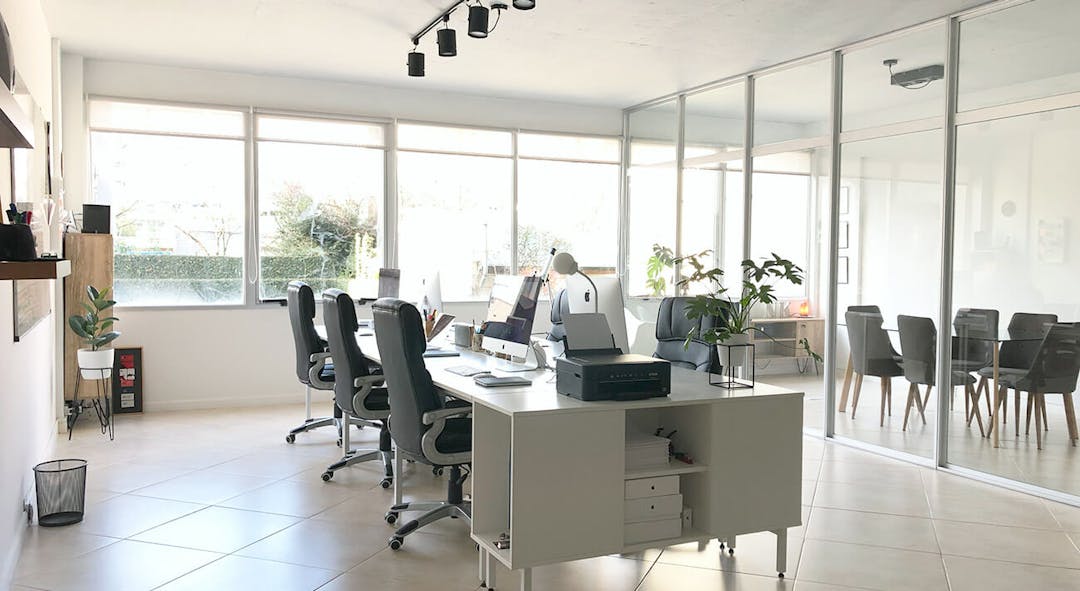
New Offices, Same Feeling

We received 5 stars in Clutch
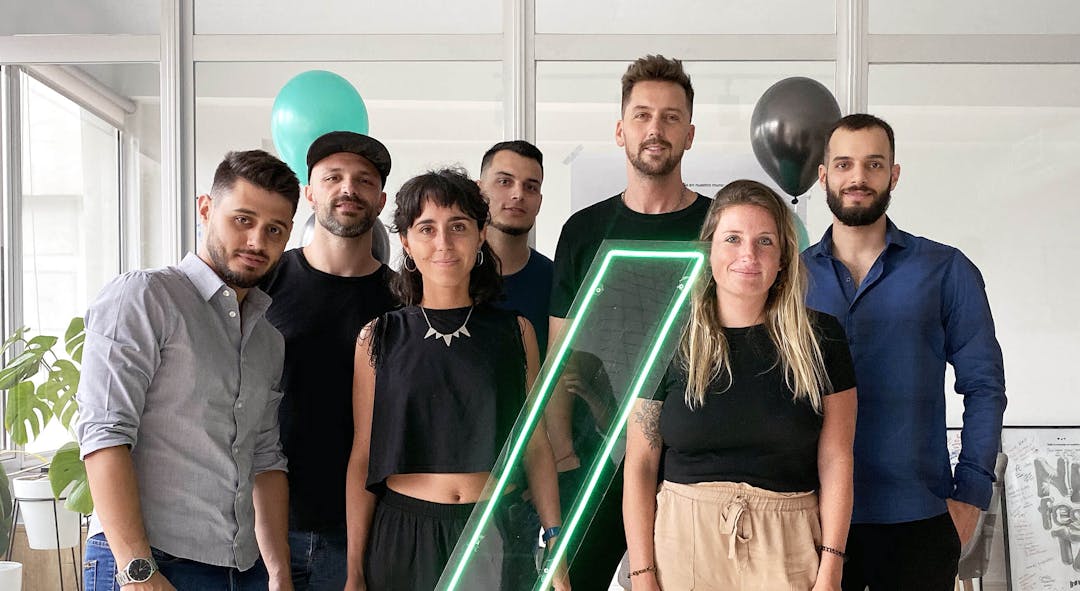
19 things of this 2019
German Design Award 2021